
Last updated November 18, 2026






Free written scope consultation - allowances, timeline, and change-order rules on paper before a single trade is scheduled
Seasonal Construction Care for Berkeley: Year-Round Homeowner’s Guide
Most maintenance calendars sold to homeowners assume four equal seasons. Berkeley doesn’t work that way. What we actually get is a long dry stretch, a wet stretch, and two short transition windows where the ground firms up and the air dries out. Every exterior surface on your house – the stucco, the wood trim, the concrete, the roof, the fence boards – expands and contracts to that binary rhythm, and the work you schedule either rides the cycle or fights it. This guide lays out a Berkeley-specific year for exterior and structural care: what to inspect, what to seal, what to repair, and when each material actually tolerates the work. You’ll learn which months are safe for which trades, how to sequence several projects through one dry season, and where a professional crew earns its keep.
Quick Answer
In Berkeley, exterior construction work – concrete sealing, exterior paint, deck waterproofing, roof repairs, fence staining, and grading – should be scheduled between the end of spring rain and the arrival of the first fall storm system, roughly a five-month window. Wet-season work should focus on drainage: clearing gutters, extending downspouts, checking retaining wall weep holes, and inspecting roofs before the rain loads them. Interior remodeling, bathroom work, and ADU planning can run year-round because they’re buffered from the weather.
Styles & brands we work with
- Kitchen remodeling
- Bathroom remodeling
- Home additions & ADU
- Roofing
- Windows & doors
- Driveway & pavers
- Fence
Table of Contents
- Why Berkeley’s Two-Season Climate Changes Your Maintenance Calendar
- A Month-by-Month Berkeley Exterior Care Calendar
- Thermal Cycling: What It Does to Wood, Stucco, and Composite
- Wet Season Prep: The Tasks That Protect Your Investment
- Dry Season Windows for Concrete, Paint, and Waterproofing
- How to Sequence Multiple Exterior Projects in One Season
- What Runs Year-Round: Interior and ADU Work
- Warning Signs You Should Not Wait a Season to Address
Why Berkeley’s Two-Season Climate Changes Your Maintenance Calendar
A generic national maintenance guide will tell you to winterize in October and power-wash in April. Neither instruction lands cleanly in Berkeley. Our climate is Mediterranean: a dry summer with low humidity and warm afternoons, and a wet winter that arrives as a handful of concentrated storm systems rather than steady drizzle. That means the two most consequential stretches of the year aren’t spring and fall – they’re the dry season and the wet season, with brief shoulders between them where conditions are genuinely workable.
That distinction matters because each exterior material on a home has a preferred moisture and temperature band for installation and curing. Concrete pours need moderate temperatures and time to cure before rain hits. Paint needs dry substrate and a window of no precipitation so it can form a film. Waterproof membranes need to cure without being re-wetted. A wood fence needs dry boards before staining or the finish won’t bond. In a four-season climate those windows are dictated by frost and thaw. Here, they’re dictated by rainfall.
We’ve seen the practical effect: a homeowner who schedules deck waterproofing for late October gets an application that either fails under the first big rain or gets postponed until the following year. The same homeowner who schedules it in July gets a properly cured membrane before the wet season ever starts. The calendar matters, but the material behavior matters more. When we plan exterior work in Berkeley, we push the scheduling conversation toward material tolerance first, then fit the date around it.
What This Means for Your Planning
- Dry season (roughly late spring through early fall): concrete flatwork, exterior paint, deck sealing, fence staining, roof repairs, drainage modifications, grading, and hardscape installation.
- Wet season (roughly late fall through early spring): roof inspections, gutter clearing, downspout work, weep hole maintenance, drainage checks, interior finishing, and planning documents for larger projects.
- The shoulders: the narrow windows where conditions are workable regardless of season – catch them and you gain a year of head start.
A Month-by-Month Berkeley Exterior Care Calendar
This isn’t a generic list. It’s how we sequence exterior projects in Berkeley when a homeowner wants to stay ahead of material wear instead of catching up on it. Adjust it to what your property actually holds – a home with a long driveway and a cedar fence has a different calendar than a bungalow with a stucco wall and no hardscape.
- Late winter (rains tapering): Walk the perimeter and record water paths. Note where gutters overflowed, where downspouts dumped against the foundation, and where the yard stayed saturated. This is your priority list for the dry season.
- Early spring (drying begins): Clean gutters one final time. Clear weep holes in retaining walls from silt. Photograph roof valleys – the wet season is when slow leaks reveal themselves. Schedule any roof repair or replacement so it lands before the dry season fills.
- Late spring (dry substrate): Exterior caulking around windows, doors, and penetrations. Inspect stucco for hairline cracks and wood trim for paint failure. This is the window to schedule the caulking and prep work so the paint crew has clean material to work on.
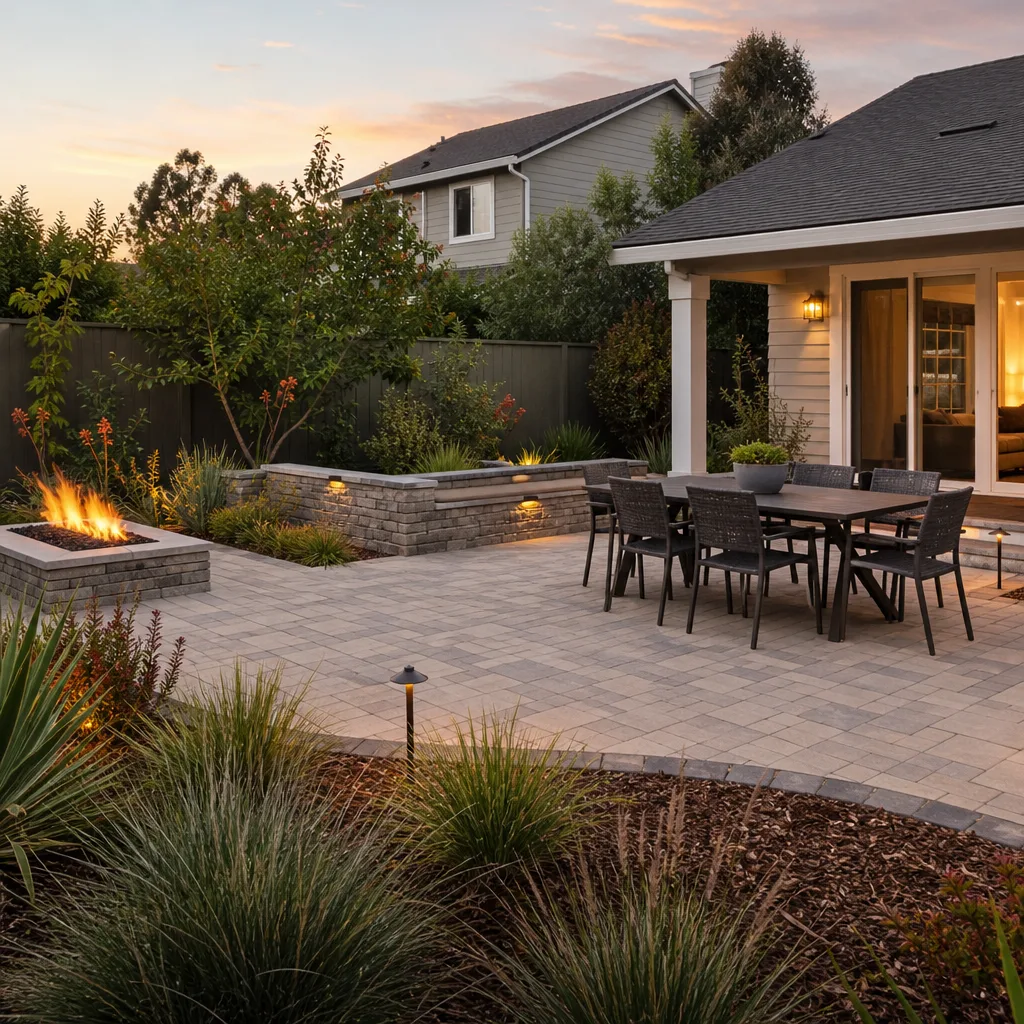
- Early summer (warm and dry): This is the ideal window for driveway & pavers work: concrete pours, paver installation, and sealing. The material cures without risk of rain. If your driveway drains toward the garage, correct it now – the grading is easier in dry soil.
- Midsummer (ramp into heavy exterior work): Exterior paint, deck refinishing, fence staining, and waterproof membrane installation. Every material in this group needs dry substrate, moderate temperatures, and a dry cure window – and midsummer delivers all three.
- Late summer (finish what you started): Roof inspection before the rain returns. Check flashings, boot seals around vents, and valley metal. Book any repairs with a cushion of time so a rain delay doesn’t push you into the wet season.
- Early fall (changeover): Grade the soil away from the foundation, extend downspouts, and re-clear the gutters. Any exterior work that didn’t make the dry window should be planned for the next one – not squeezed in.
- Late fall through winter (interior season): Interior remodels, bathroom work, cabinet installation, and ADU planning. Wet-season months are the most comfortable time to live through dust and demolition, because you’re indoors anyway.
Print this list and post it. The single biggest failure we see isn’t a homeowner who lacks the knowledge – it’s a homeowner who knows what to do but checks the calendar too late to get a crew booked.
Thermal Cycling: What It Does to Wood, Stucco, and Composite
Berkeley’s summer days are warm and its nights are cool. That swing stresses materials through hundreds of expansion and contraction cycles every dry season. It’s a different problem from the steady damp of a coastal fog zone, which keeps material dimensions relatively stable but never lets the substrate dry out. And it’s a different problem from the constant heat of an inland valley, which bakes surfaces at higher peak temperatures but with less day-to-night movement. Here you get the worst of a moderate pattern: enough heat to move the material and enough cool to pull it back.
What that looks like on a house:
- Wood trim and siding: Each cycle opens small checking and cracks in paint film. Once moisture finds a crack, the wood underneath starts to swell and the paint lifts. Caulk joints around windows and doors fail first because they take both sun and moisture.
- Stucco: Hairline cracks are normal on a stucco wall after a few seasons. They’re cosmetic until they align with a framing joint or wrap around an opening, where they can invite water infiltration. Crack inspection belongs in spring, before the paint crew arrives.
- Composite and engineered materials: Some composite decking and trim materials specify temperature limits for installation because the boards expand and contract noticeably. Read the manufacturer’s install guidance and hold the crew to it – a jamb or end gap spec exists for a reason.
- Caulk and sealant: Expansion joints move more than the sealant’s advertised movement capacity if the joint was sized for a different climate. A properly specified sealant and backer rod is a bigger detail than most homeowners expect, and it’s the cheapest insurance against a failing joint.
Our answer to thermal cycling isn’t exotic. It’s timely maintenance: seal a joint before the paint fails, paint before the wood checks, and caulk a window before the seal lets water behind it. A crew that knows how exterior envelope materials behave in a dry-wet climate will schedule prep work around those cycles rather than fighting them.
Wet Season Prep: The Tasks That Protect Your Investment
Wet season care is about movement of water away from what you’ve built. Every task below keeps water where it’s supposed to go instead of where your framing or foundation doesn’t want it. Do these before the first real storm, not after.
- Clear and check the gutters. Full gutters spill down the fascia and against the wall. Do a final clean before the wet season and confirm that hangers and seams are holding.
- Extend your downspouts. A downspout that discharges within a foot of the foundation is pouring water into the soil beside the house. A flexible extension or a splash block that carries water three to five feet out is typically a quick fix with outsized value. If the discharge point is a paved surface with a slope problem, plan to correct it.
- Inspect retaining walls and clear weep holes. Weep holes let trapped groundwater drain out. When silt blocks them, pressure builds behind the wall. A quick pass with a rod before the season is worth more than any repair after it.
- Check driveway drainage. Concrete and paver driveways should shed water in a defined direction. If water is pooling at the garage door or against the house, the slope or a drainage channel needs work. That grading project is a dry-season task, so flag it now for next year if you miss the window.
- Look at the roof from the ground. Cracked flashing, lifted shingles, and exposed fasteners are all visible from a safe distance. Note what you see and book a roofer to inspect. Don’t walk a wet roof yourself.
- Walk the yard after the first heavy rain. Where water sits for more than a day tells you more about your drainage than any drawing. That’s the map for next dry season’s grading work.
Hold onto the principle: wet season is about directing water, not building new things. The construction work waits for the dry window – the protection work goes now.
Dry Season Windows for Concrete, Paint, and Waterproofing
Every exterior material has a tolerance band. Stack several projects in one dry season and the bands start to matter, because a crew that installs a concrete patio needs moisture and moderate heat, while the paint crew needs dry substrate and a rain-free window for the film to cure. Here’s what we plan around.
- Concrete flatwork and pavers: Concrete needs to be placed in moderate temperatures and kept from drying too fast. A hot, dry, breezy day will pull moisture out of a slab before it reaches strength, so placement is scheduled and curing is handled deliberately – not left to chance. Pavers are more forgiving because they’re a unit material, but the base prep and drainage have to be done in dry conditions. Once installed, a paver surface wants a dry stretch before sealing.
- Exterior paint and stain: Substrate moisture is the enemy. A wall that reads dry on the surface can hold moisture deeper in the stucco or wood, and paint applied over it will blister. We schedule paint after a dry stretch, and we test substrate before application. Temperature matters too: most paint products have a minimum application temperature on the can, and it’s usually higher than a Berkeley morning in the shoulder months.
- Waterproof membranes and deck sealers: These need a dry surface, moderate temperature, and a cure window before contact with water. A membrane that gets rained on before it cures may look fine and perform poorly. Dry-season scheduling solves this.
- Roofing: Shingle and sheet roofing can be installed in a range of conditions, but the materials handle better when they’re warm and dry, and the crew can work a full day without weather interruptions. Schedule roof work in the dry season and you build in flexibility for a delay.
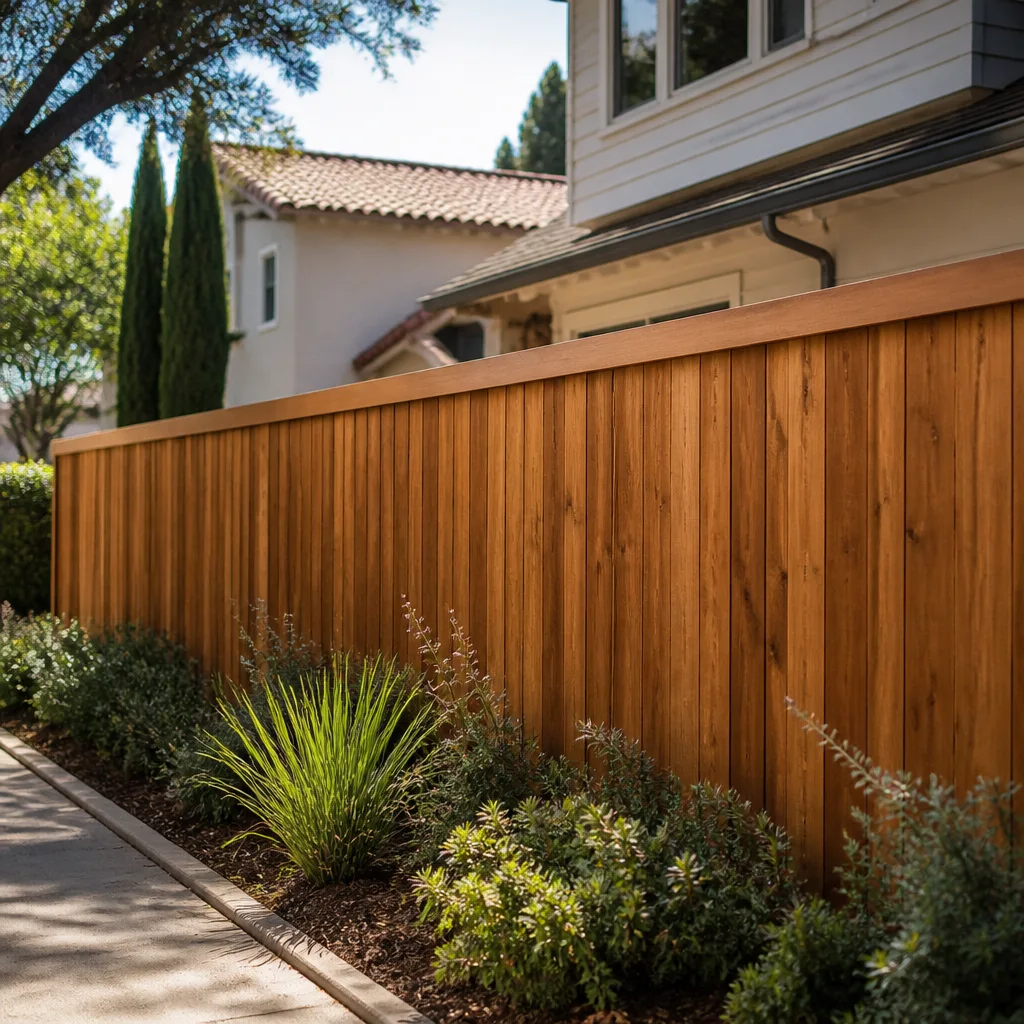
- Fencing and staining: Wood fencing should be installed or stained when the boards are dry. If you’re planning a fence installation, the dry window gives the new wood time to settle before a stain goes on. Staining fresh lumber too soon after install – or before it’s dry – traps moisture the finish will eventually fail over.
Our rule of thumb: for each of these categories, ask what the manufacturer’s data sheet says about minimum temperature and moisture. Then book the work into a week with no forecast rain, with a cushion on either side. It’s not glamorous, but it’s the difference between a finish that lasts and one that fails in year two.
How to Sequence Multiple Exterior Projects in One Season
When a homeowner wants the roof, the driveway, the fence, and the exterior paint done, the instinct is to line up four contractors and let them each work their calendar. That’s how you end up with a fencing crew installing boards after the paint crew has already finished the side of the house they’re leaning ladders against. Sequencing isn’t a luxury – it prevents rework and prevents cure-time conflicts.
Here’s a sensible sequence for a single dry season:
- Roof first. Roofing work happens over everything else and shouldn’t wait behind another project. Repair or replace the roof, then inspect the flashings and drainage.
- Drainage and grading next. Correct any grading, install downspout extensions, and clear the way so the water path is settled before finish materials go down.
- Concrete and hardscape. Driveway, patio, and paver work comes after grading is settled but before paint, because heavy material delivery and equipment traffic can damage a fresh paint job.
- Fencing. Install the fence before the paint crew finishes the exterior walls behind it, so nobody has to interrupt a finish to install a fence post.
- Windows and doors. If you’re replacing exterior openings, plan those before the final paint coat. This is where we specify product – a Therma-Tru entry door or a ViewLux window unit – and the trim and paint scope has to follow the install, not run ahead of it.
- Exterior paint and stain. Last in the sequence, and last for a reason. Every other trade has been in and out of the walls, and the finish goes on once, over clean substrate.
Each phase has a cure or settling time before the next one starts, and that time has to be built into the schedule. The most common sequencing failure is skipping it – stacking the fence install and the paint crew the same week because the calendar tempted someone. In our experience, the calmest way to run multiple exterior projects is under one contractor relationship, where the schedule is built around cure times instead of around four separate calendars. This is exactly the coordination problem a Construction Berkeley project plan is designed to solve: one team, one sequence, one accountable point.
Scheduling Note
If you start planning in early spring, you’re working with the season. If you start in late summer, you’re working against it. The workable window is finite and popular. Call in spring and you’re choosing from the calendar; call in July and you’re taking what’s left.
What Runs Year-Round: Interior and ADU Work
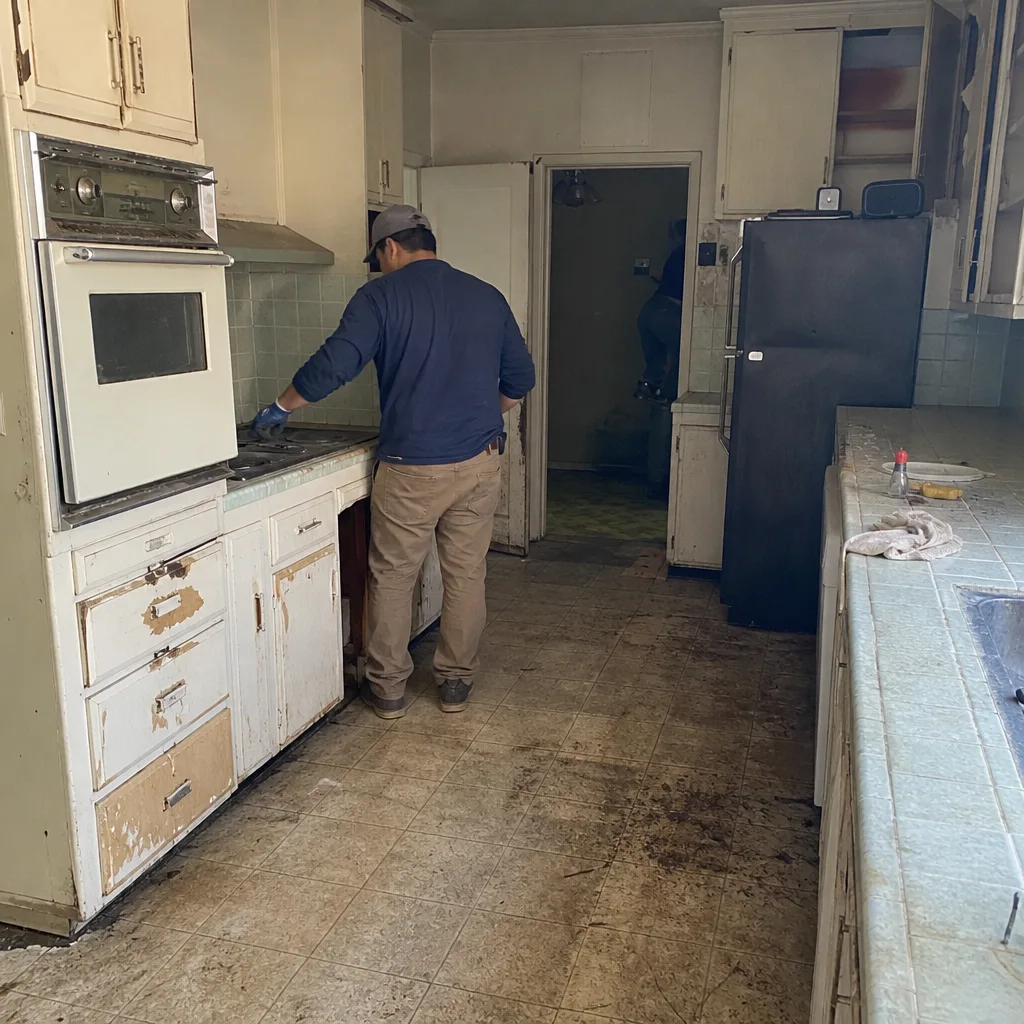
Wet-season months aren’t dead months. They’re the best months for interior work, because the weather outside isn’t something the crew has to plan around. Kitchen and bathroom remodels, cabinet installs, tile, plumbing fixture replacement, and interior trim all run on their own calendar. A kitchen remodel in Berkeley scheduled for the wet season also spares you the worst of the dust and heat during the dry months when you’d rather have the windows open.
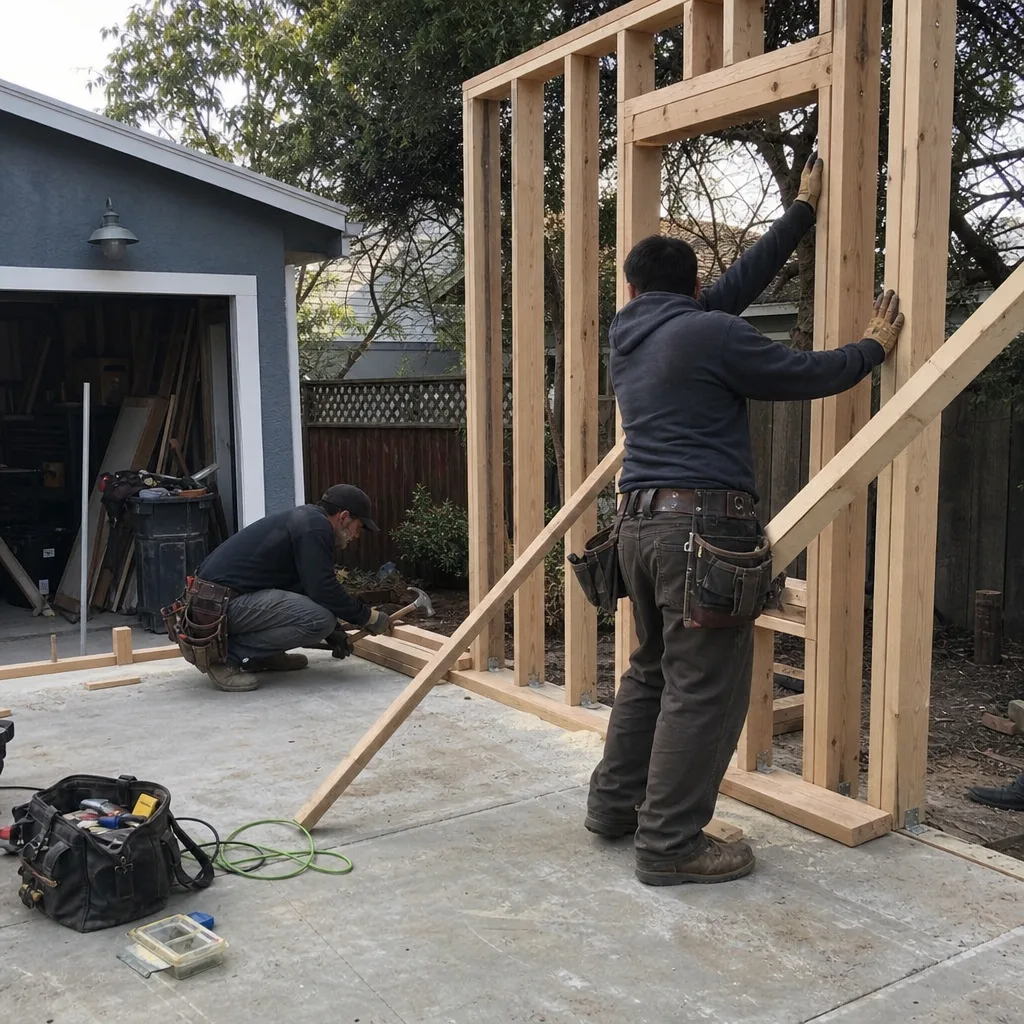
The same is true for larger projects. A home additions & ADU build is planned in the shoulder and wet seasons and, when possible, framed in the dry months so the envelope closes before the rain. Prefab and modular ADU structures from manufacturers like Abodu, Dvele, or Mighty Buildings compress the on-site construction window considerably, which matters when the calendar is tight. The planning phase doesn’t depend on weather at all – in fact, the wet months are the best time to finalize design, permit documents, and material selections so construction can start in the dry window.
A few things to plan for:
- Interior remodeling: Kitchens, bathrooms, tile, and cabinetry are weather-independent. Book them for the wet months and you free up the dry window for exterior work.
- ADU and additions: Design and permitting in the wet months; framing and envelope work in the dry months. Modular units can compress the on-site window, which reduces weather exposure.
- Exterior openings: windows and doors replacements that involve cutting into the envelope should be scheduled so the opening isn’t exposed to a storm before the flashing is complete.
Having a single contractor handle both interior and exterior trades means the sequence stretches across the wet and dry seasons smoothly instead of stopping in one and waiting for the other. That’s the argument for one relationship over a stack of specialist contracts – not convenience, but continuity.
Warning Signs You Should Not Wait a Season to Address
Some jobs can wait for the dry window. A few can’t. If you see any of the following, get a professional out to look before the next storm, not after:
- Water in the crawlspace or at the base of a wall. That’s drainage failing, and it compounds. Get it looked at before the wet season loads the system further.
- Stucco cracks that align with a framing line or wrap a window or door opening. Hairlines are cosmetic; aligned cracks are a path for water.
- Roof shingles lifting, flashing separated, or visible damage after a wind event. A small opening is a small repair now and a ceiling repair later.
- Fence posts that have started to lean or pull. A leaning post can often be reset; a post that has rotted below grade can’t. Don’t wait for a wind storm to find out which one you have.
- Water pooling at the garage door or against the foundation after rain. This is a grading or drainage fix, and it’s a dry-season project. Flag it now, plan it for the window.
Common Mistakes to Avoid
- Treating the calendar as four equal seasons. Berkeley doesn’t have a generic spring and fall. It has a dry season and a wet season and two short shoulders. A maintenance plan built on the wrong model places the right work in the wrong month.
- Scheduling paint on a wall that still holds moisture. The paint crew that says the wall is dry but hasn’t checked substrate moisture is a crew that blisters a finish. Verify before the first coat.
- Skipping weep hole maintenance on a retaining wall. Blocked weep holes let hydrostatic pressure build behind the wall. A quick clearing pass before the wet season is worth more than a structural repair later.
- Stacking too many exterior projects into one season without a schedule. Four crews, four calendars, four rounds of half-finished details. Sequence the work deliberately and leave room for cure times.
- Staining a fence that hasn’t dried out. Fresh pressure-treated lumber needs a dry period before a stain goes on. If you trap moisture in the wood, the finish fails early – and the fix is a full strip and re-stain.
- Waiting until the fall storms to schedule roof inspections. By the time the rain is back, you’re booking emergency work instead of planned work. Schedule the inspection in late summer.
- Assuming a wet-season delay is a contractor’s fault. Most of the delay is material tolerance and weather. Build a cushion in the schedule so a rain week doesn’t push you into the next season.
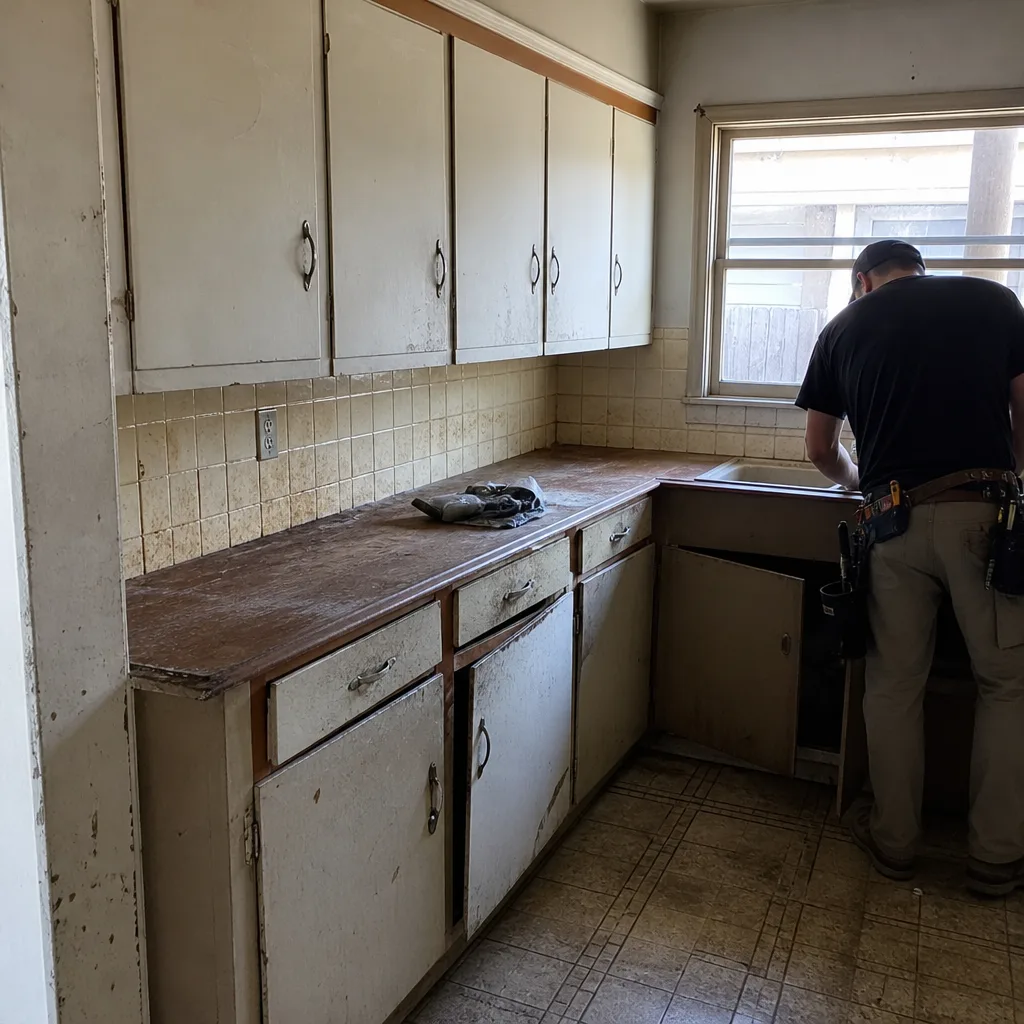
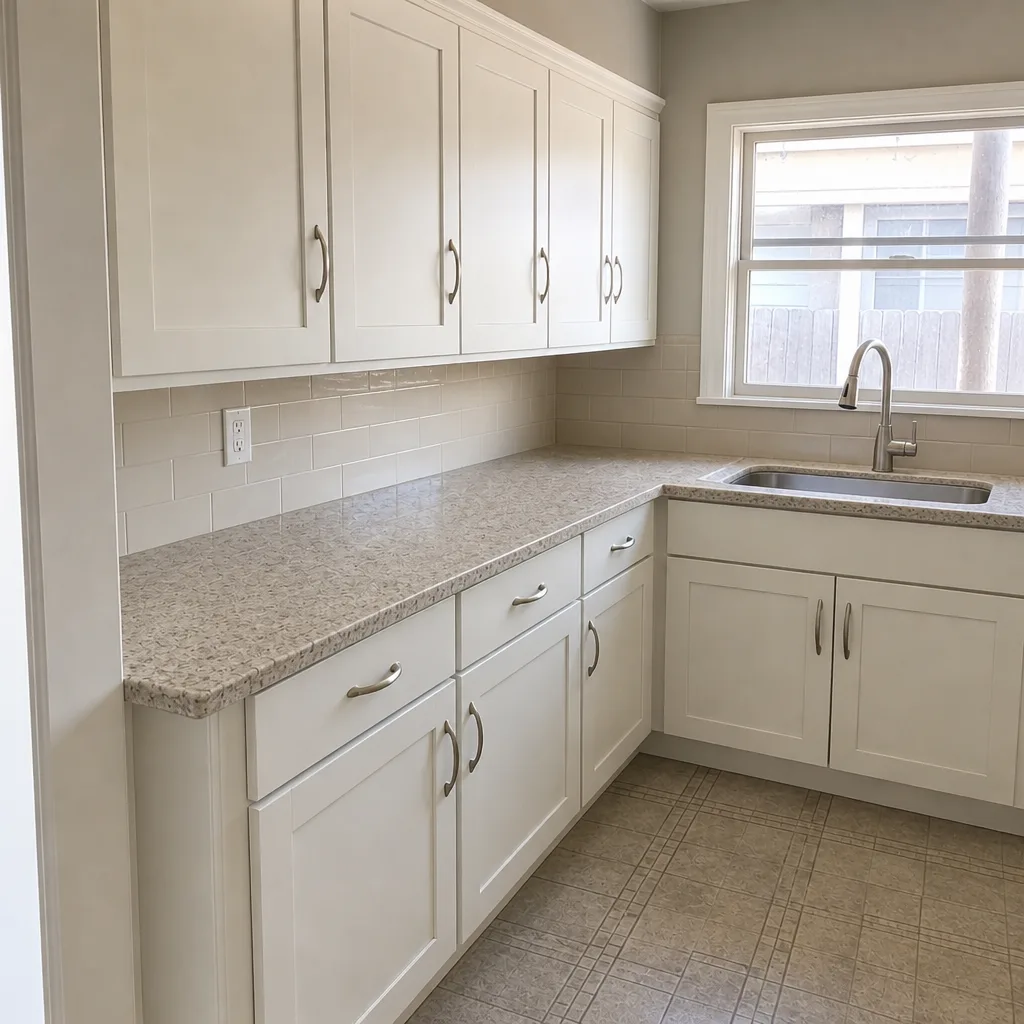
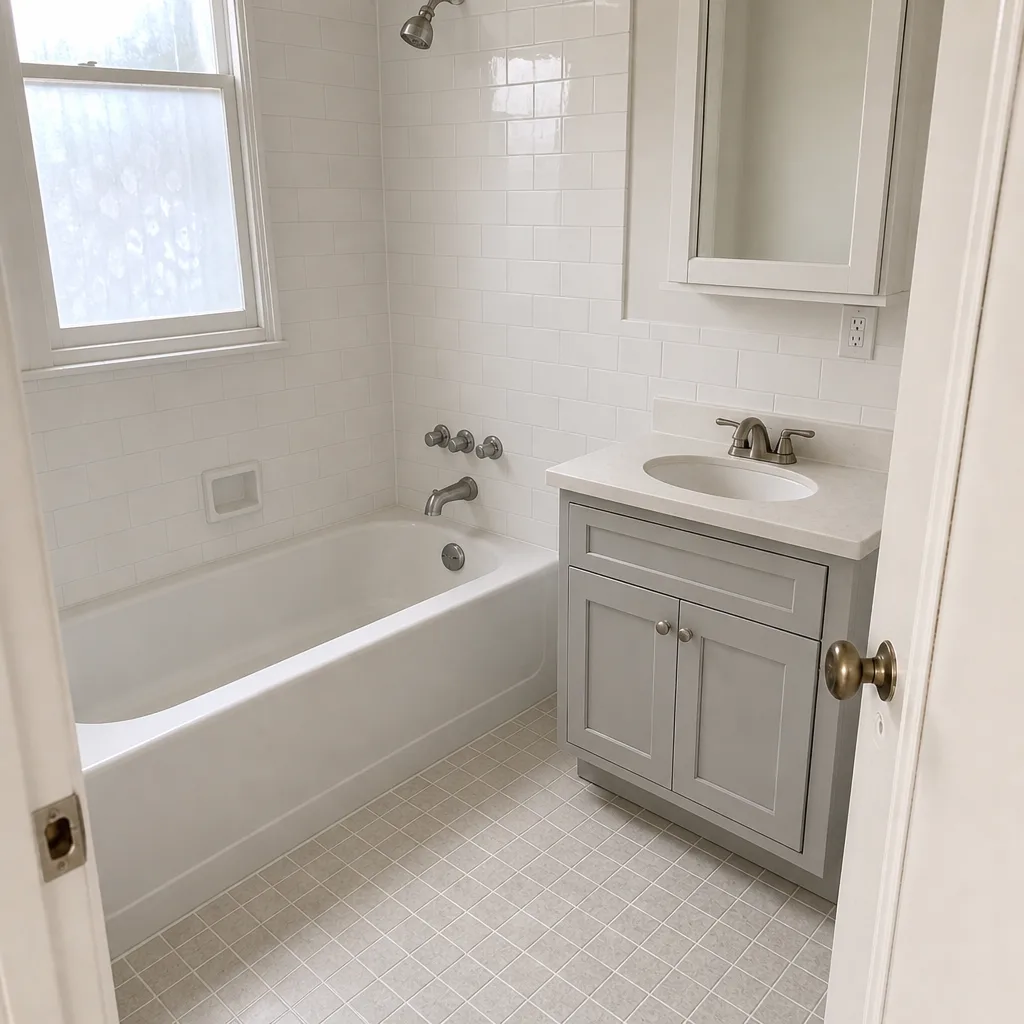
See the difference
 Before
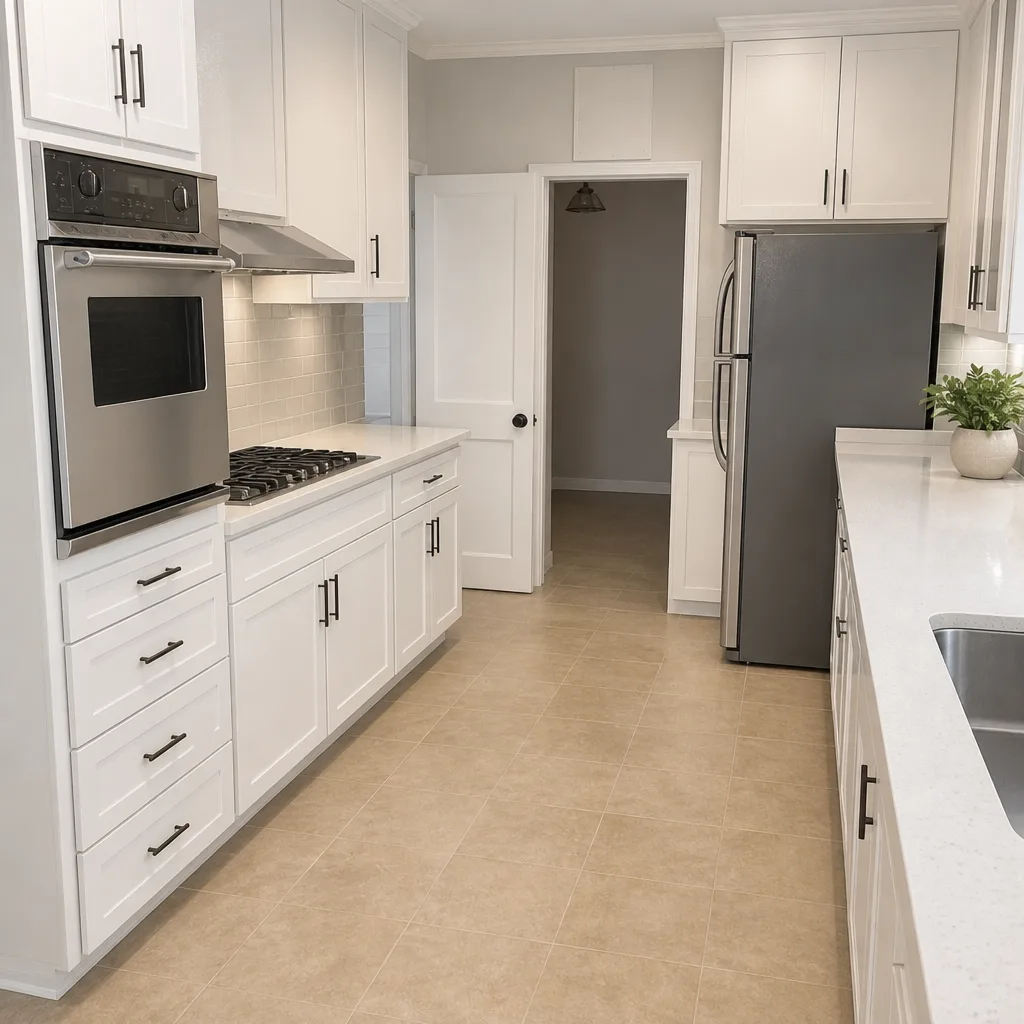 After
 Before
 After
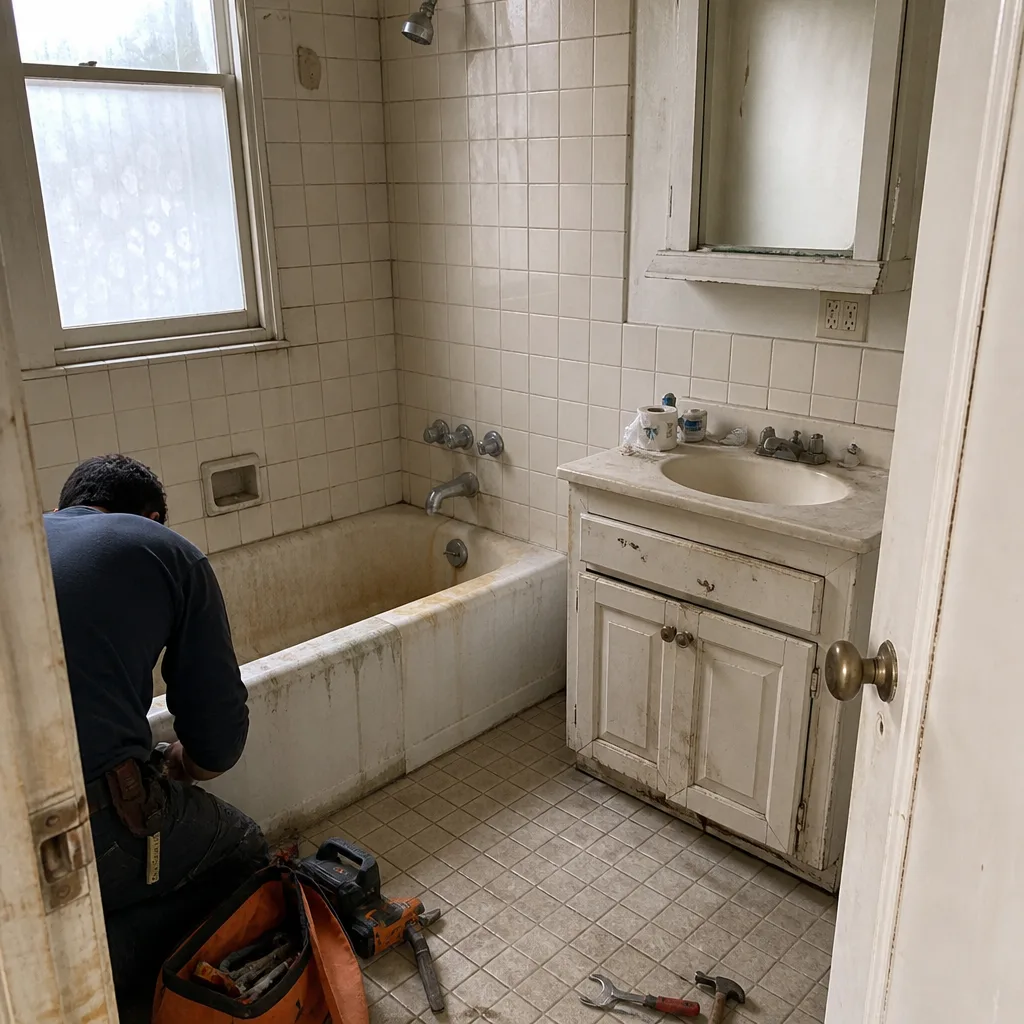 Before
 After
When to Call a Professional
Some exterior tasks are homeowner-scale: clearing gutters, extending a downspout, and clearing a weep hole. The moment a task touches the building envelope, the roof, the foundation, or the drainage grade, it’s worth a professional eye. Call a professional when you have water entering the house, when a stucco crack aligns with a framing line, when a roof is showing damage after a wind event, when a driveway is pooling water, when a retaining wall is bulging, or when you’re trying to sequence multiple exterior projects within one dry season and cure times are stacking up.
Construction Berkeley offers free estimates in Berkeley – call (844) 797-8850 to schedule yours. Our technicians have up to 9 years of experience with exterior envelope work, and we source and install products from more than 50 manufacturer brands across roofing, windows and doors, fencing, hardscape, and interior finishes. We answer 24/7. Fast dispatch from 7am to 7pm, Sunday through Friday.
Frequently Asked Questions

The best window runs from the end of spring rain through early fall, roughly five workable months. During that stretch, concrete, paint, deck waterproofing, fencing, and roofing can all be scheduled with the substrate dry and the cure window intact. Wet-season months should be reserved for drainage work and interior projects. Call (844) 797-8850 for an exact quote – estimates are free.
Yes, because Berkeley’s thermal swing is wider than a coastal fog zone but cooler than an inland heat zone. That pattern creates more expansion and contraction cycles on wood, stucco, and composite materials, which opens cracks and fails caulk joints faster. The fix is timely maintenance on a dry-season schedule, not a different material. A professional walkthrough each spring catches the failures before water gets in.
Generally, no. Concrete placement needs a moderate temperature and a cure window without rain, and sealing needs dry substrate. In Berkeley, those conditions exist in the dry season. The wet season is better spent clearing drainage and planning the driveway project for the next window. For a free estimate on a driveway or paver project, call (844) 797-8850.
Start with the roof and drainage, then grade and hardscape, then fencing, then exterior openings, and finish with paint and stain. Each phase needs a cure or settling period before the next. Running the sequence under one contractor relationship prevents trade conflicts and keeps the schedule honest. A written schedule with built-in cure times is the difference between a clean season and a rework season.
A rainstorm on a properly protected site usually doesn’t cause damage – the crew covers openings, planks work areas, and stops work before materials are exposed. The greater risk is a finish that gets re-wetted before it cures, and that’s prevented by scheduling rather than scrambling. If rain hits mid-project, the crew waits for dry conditions rather than rushing the finish. Call (844) 797-8850 and we’ll talk through your project timeline – estimates are free.
Permit requirements depend on the height and location of the wall, the height of the fence, and the scope of hardscape work. Generally, low retaining walls and fences under the local height limits don’t require a permit, while taller walls and structural work do. Ask the City of Berkeley’s building department directly, and confirm the requirement before you schedule construction – a permit affects the timeline, not just the paperwork. When we quote a Berkeley project, the permit path is part of the conversation.
The Bottom Line
Berkeley’s maintenance calendar isn’t four seasons. It’s a dry stretch, a wet stretch, and two narrow shoulders where the right work can get ahead of the wrong weather. Wet-season care is drainage and protection: gutters, downspouts, weep holes, and roof inspection. Dry-season care is construction and finish work: concrete, pavers, paint, waterproofing, fencing, and roofing, all scheduled around substrate moisture and cure times. When you’re running multiple projects, sequence them – roof first, drainage and grading next, hardscape, fencing, exterior openings, and paint last. That’s the whole plan. The rest is choosing your window, booking early, and having one contractor accountable for the sequence. Call (844) 797-8850 for a free estimate and a schedule built for the Berkeley year.
Written by the team at Construction Berkeley.