Last updated November 18, 2026



Free written scope consultation - allowances, timeline, and change-order rules on paper before a single trade is scheduled
Choosing the Right Construction Brand: A Buyer’s Guide for Berkeley
A composite decking brand that ranks at the top of a national review list can still fail a Berkeley inspection. That’s the part most buying guides never tell you. In the Berkeley Hills, ignition-resistant material requirements under the local fire zone rules can rule out products that are perfectly legal and widely sold two counties away. Add California’s stricter rules on adhesives, coatings, and composite formulations, and a brand that performs beautifully in a dry inland climate can underperform here in the fog belt. This guide covers how to cross-reference a product against fire zone rules, Title 24 and CARB limits, and Berkeley’s wet-dry cycling before you buy. Mention Berkeley once? We’ll mention it plenty.
Quick Answer
Choosing the right construction brand in Berkeley means choosing a product that clears three local filters before it clears your budget. First, it has to meet ignition-resistant material standards if your property sits in a Hillside Fire Zone. Second, it has to comply with California Title 24 and CARB requirements for adhesives, coatings, and composite content. Third, it has to survive Berkeley’s fog belt, UV exposure, and wet-dry cycling. A professional-grade mid-tier product from a manufacturer with real technical support usually beats a premium SKU from a big-box-focused brand for exactly these reasons. Construction Berkeley sources from more than 50 manufacturer brands and vets every one against those filters before it goes into a written estimate.
Styles & brands we work with
- Kitchen remodeling
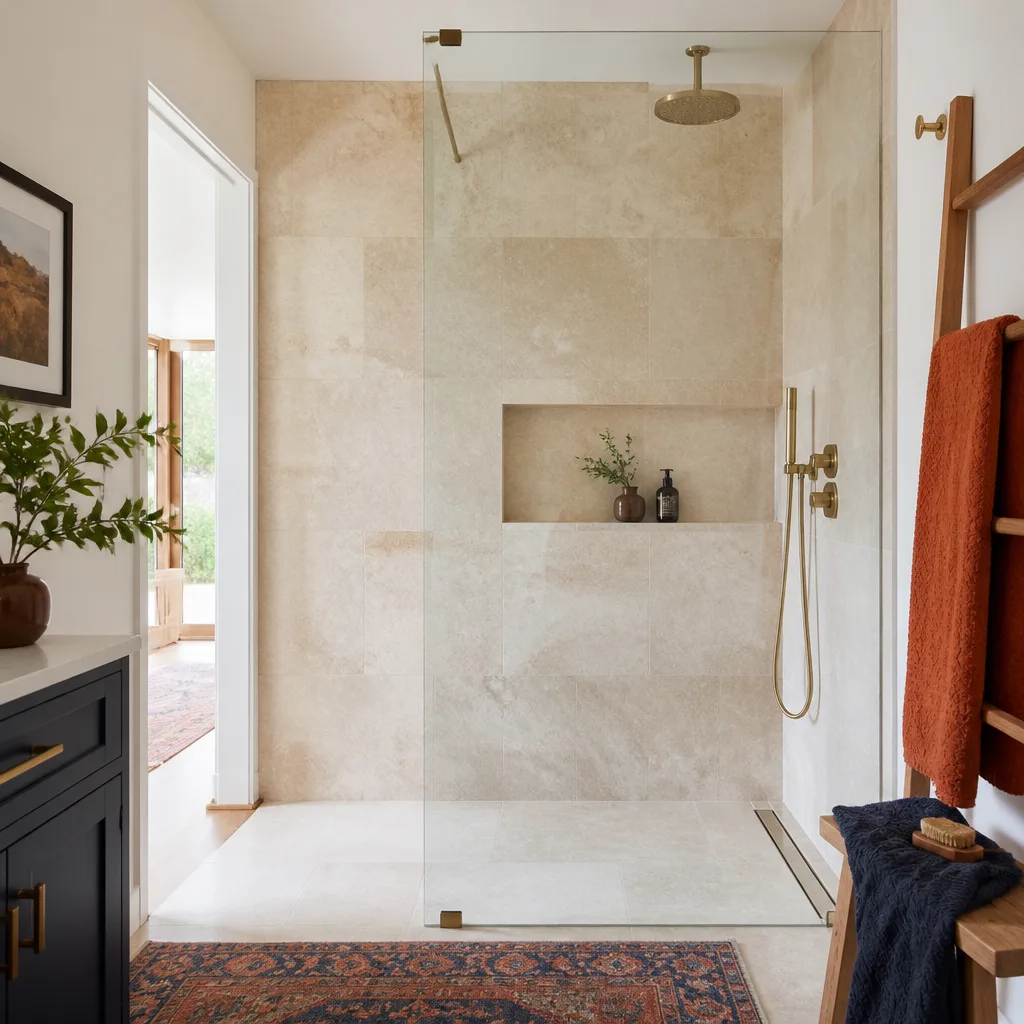
- Bathroom remodeling
- Home additions & ADU
- Roofing
- Windows & doors
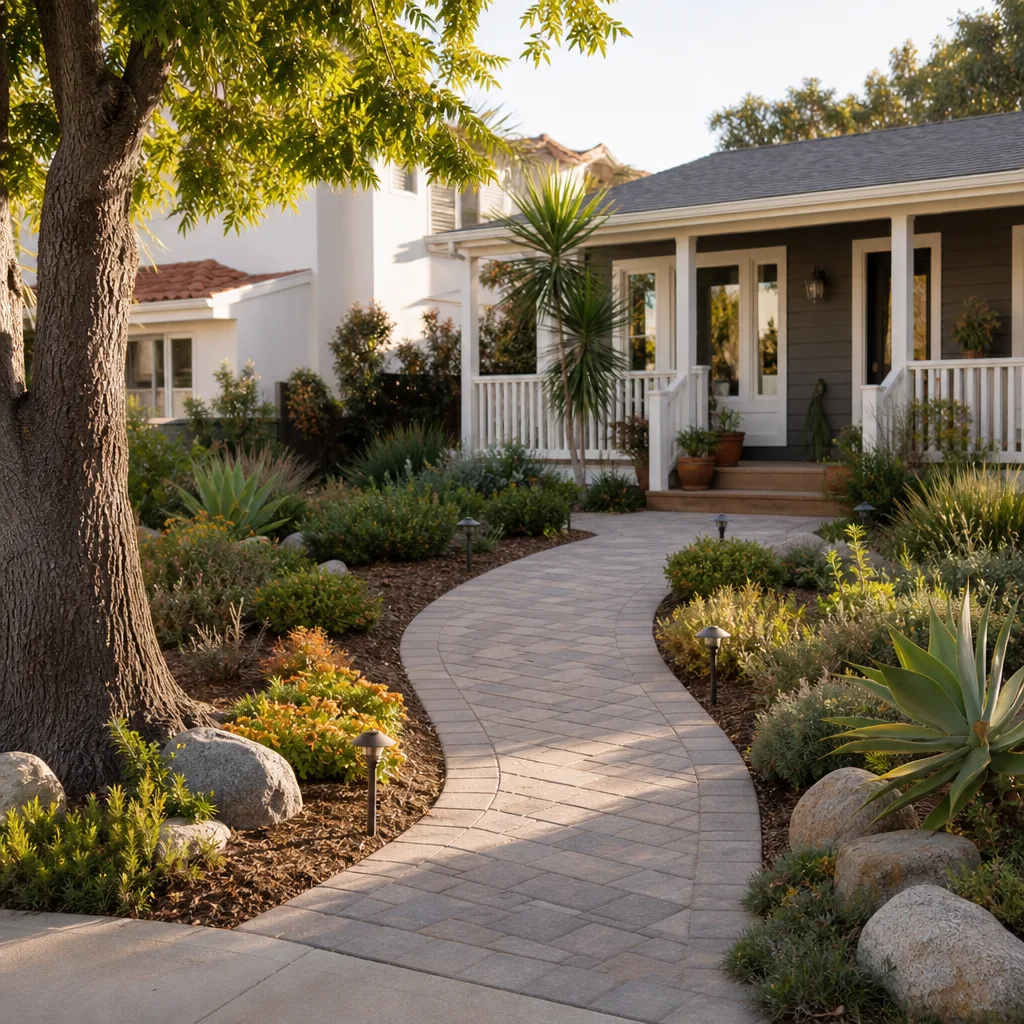
- Driveway & pavers
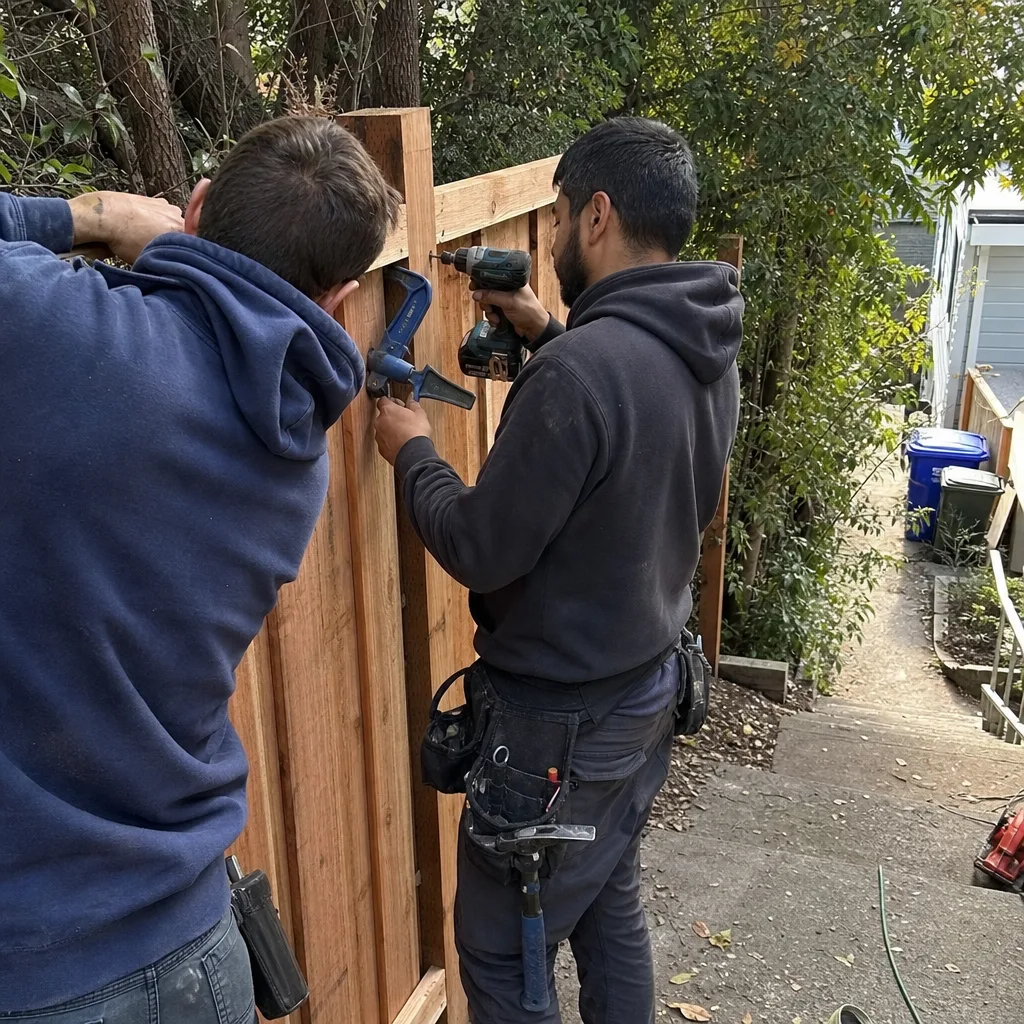
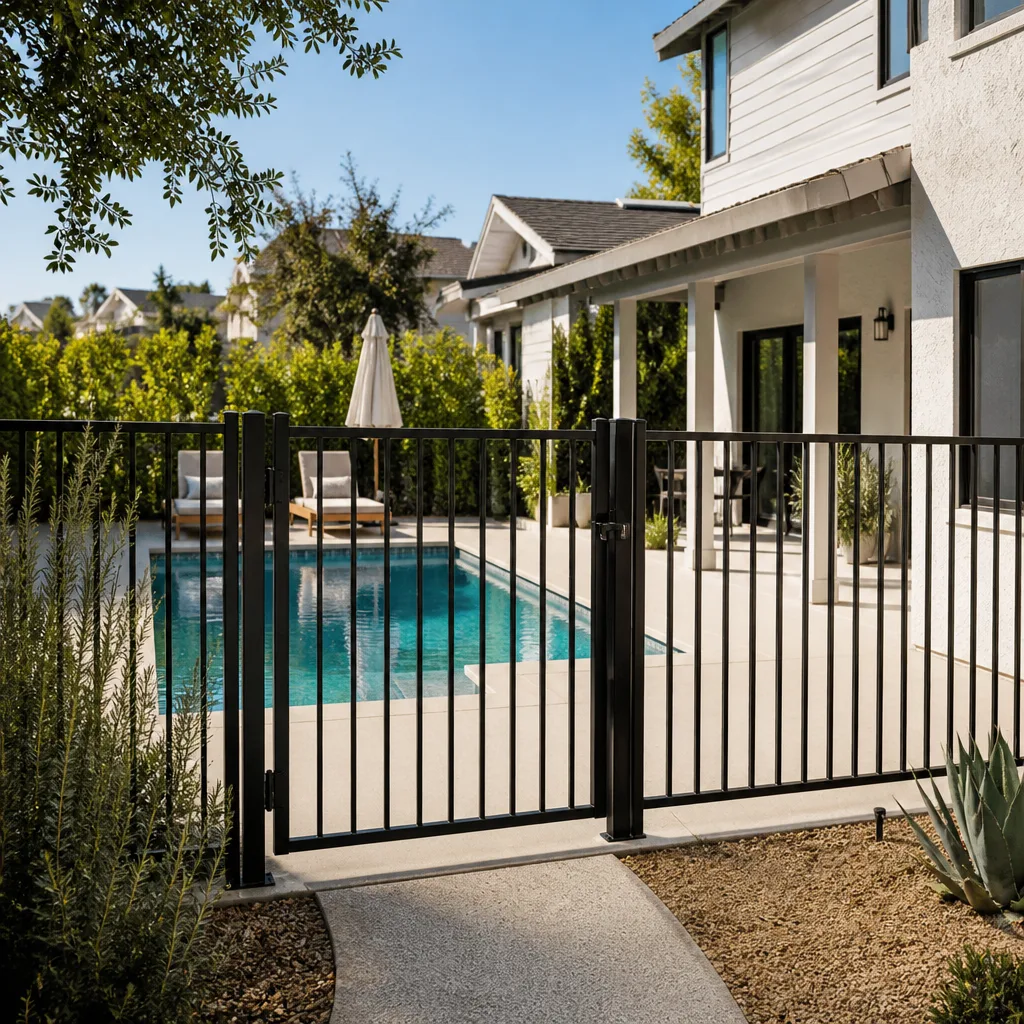
- Fence
Table of Contents
- Fire Zone Material Requirements: The Filter Most Buyers Skip
- California Title 24 and CARB: What Gets Eliminated Before You Shop
- How Berkeley’s Climate Affects Product Longevity
- Brand vs. Grade Within Brand: Why Mid-Tier Often Wins
- Reading Warranties for Berkeley-Relevant Failure Modes
- How to Cross-Reference a Product Before You Buy
- Why Single-Source Contractor Relationships Reduce Brand Risk
Fire Zone Material Requirements: The Filter Most Buyers Skip
If your property sits in or near a Berkeley Hillside Fire Zone, the material list you assembled from a national buying guide is not the list you’ll be allowed to install. Local fire zone rules for exterior materials lean on ignition-resistant ratings, and those ratings appear on product documentation as specific codes you can actually look up. A product can be beautiful, durable, and well-reviewed and still fail final inspection because nobody checked the paperwork before the order went in.
The ratings and standards that matter locally are the ones that show up in the product’s technical data sheet and evaluation report:
- Class A rating for roof coverings and exterior assemblies, which is the classification inspectors look for on roofing and cladding.
- ASTM E84 surface burning characteristics, which is where flame spread and smoke developed indexes get reported for interior and exterior finish materials.
- ICC ESR numbers, the evaluation service reports that document how a product was tested and what conditions the approval covers.
- Ignition-resistant decking and siding listings, which many composite and engineered wood manufacturers publish separately from their standard product line.
Here’s the practical problem: the same brand often sells both a standard product and a fire-rated product, and the two look nearly identical on a showroom sample board. If you’re shopping a composite decking line and the review site you’re using ranked the standard formulation, the fire-rated version is a different SKU with a different price and different documentation. We’ve seen homeowners buy the right brand and the wrong product line, then have to replace it. Asking a supplier for the current evaluation report on the exact SKU, not the brand family, is the single most useful habit to build. For exterior envelope work, our roofing team treats the documentation step as part of the estimate, not a discovery during inspection.
California Title 24 and CARB: What Gets Eliminated Before You Shop
California’s Title 24 energy standards and CARB regulations for composite wood products eliminate a surprising number of materials that are still sold and commonly installed in other states. If you’re buying adhesives, sealants, coatings, or composite products off a national platform, some of what you see is not compliant for California installation. This is not a manufacturer quality issue; it’s a regulatory one, and the products that fail are usually decent products in the wrong market.
What this means in practice when you’re specifying:
- Adhesives and sealants need to meet California VOC limits, which are stricter than federal limits for many categories. A construction adhesive that’s standard on a job site in another state may not be legal to install here.
- Composite wood products used inside the home need to meet CARB formaldehyde emission standards. Cabinetry, shelving, and millwork all fall under this, which is one reason our kitchen remodeling material lists lean on manufacturers who document CARB compliance as a matter of course.
- Coatings and stains for decking, fencing, and siding carry VOC limits that affect which lines a supplier will even stock in California.
- Exterior paints and primers fall under the same category, and the compliant versions sometimes perform differently than the versions used in other states.
The moment to check this is before you fall in love with a color or a finish. Compliance documentation is boring, but it’s the difference between a material that goes in on schedule and one that stalls your project. A supplier who can’t produce the compliance paperwork on request is a supplier to move past.
How Berkeley’s Climate Affects Product Longevity
Berkeley’s fog belt, UV exposure, and wet-dry cycling stress building materials in ways that a national buying guide rarely accounts for. Winters here are mild, which is good news for some products and bad news for others. The absence of hard freezes means you don’t get the frost damage that shortens material life in colder climates, but it also means moisture lingers longer than it would in a drier place, and the fog belt keeps exterior surfaces damp for stretches that inland products weren’t designed to handle.
What that means by material category:
- Roofing: UV exposure is steady here, and mild winters mean the roof cycles between wet and dry more often than it sits frozen. Asphalt shingles and metal both handle this well when installed correctly, but the underlayment and flashing details matter as much as the shingle brand. Our roofing work leans on GAF, CertainTeed, and Owens Corning systems because those manufacturers document the full assembly, not just the top layer.
- Decking: Wet-dry cycling is the main enemy, and it’s why the fire-rated composite formulations that also handle moisture well are worth the price difference in the hills.
- Exterior cladding: Fog keeps cladding damp. James Hardie fiber cement and premium window and door systems from ECO Window Systems, Therma-Tru, and PGT hold up here because their manufacturers publish moisture performance data, not just aesthetic claims.
- Concrete sealers: Driveway and paver sealers need to breathe enough to let moisture escape but block enough UV to prevent fading. Our driveway & pavers work uses Belgard, Unilock, and Techo-Bloc pavers because those brands carry product warranties that independent testing supports.
The takeaway is that material performance in Berkeley isn’t a single trait. It’s how the product handles moisture, UV, and cycling together, and the documentation that proves it.
Brand vs. Grade Within Brand: Why Mid-Tier Often Wins
Within most major brands, there are tiers, and the tier matters more than the brand name on the box. A mid-tier product from a professional-grade manufacturer often outperforms the premium SKU from a big-box-focused brand, for the simple reason that professional-grade lines are built to be installed by people who will call the manufacturer’s technical line if something goes wrong. Big-box premium lines are built to look good on a shelf.
Here’s how that plays out in three categories:
- Pavers. A professional-grade paver from Belgard, Unilock, or Techo-Bloc carries dimensional tolerances and compressive strength ratings the manufacturer publishes and stands behind. A premium-looking paver from a brand that mostly sells through home centers can look identical and still have looser tolerances that show up as lippage and joint variation after a few seasons.
- Lumber and framing. The grade stamp on the lumber tells you what you’re buying. A mid-tier grade from a professional yard with a clear stamp is a better bet than an unmarked premium claim from a consumer-focused channel.
- Windows. Professional-grade window systems from manufacturers like Therma-Tru and PGT publish performance ratings on the assembly, not just the sash. The difference between a mid-tier professional window and a big-box premium window often comes down to installation documentation and warranty enforcement, which is exactly what a homeowner needs when a seal fails.
The rule of thumb: match the grade to the application and the documentation to the grade. If you can’t find the technical data sheet and the warranty terms in one place, you haven’t found a professional-grade product yet.
Reading Warranties for Berkeley-Relevant Failure Modes
Manufacturer warranties often exclude exactly the failure modes Berkeley homeowners run into. Soil movement, UV degradation, and installation requirements are the three most common exclusions, and each one is worth checking before you commit. A warranty that looks comprehensive at a glance can turn out to cover almost nothing once you read the fine print on what voids it.
What to look for:
- Soil movement exclusions. Paver and hardscape warranties frequently exclude settling or movement caused by soil conditions. Ask what the warranty says about subbase preparation, since that’s usually where the exclusion lives.
- UV degradation coverage. Decking, cladding, and window warranties vary widely on how much color fade they’ll cover. Some exclude fade entirely, others set thresholds. Read the threshold, not the headline duration.
- Licensed installation requirements. Most professional-grade warranties require installation by a licensed or authorized installer to stay valid. This is where the Construction Berkeley relationship matters: manufacturer-backed warranty programs for roofing systems from GAF, CertainTeed, and Owens Corning depend on documented installation, and the paperwork has to stay with the homeowner.
- Transferability. Some warranties transfer to a new owner, some don’t. If you’re planning to sell, ask, because transferable warranties carry real value.
- Maintenance obligations. A warranty that requires annual sealing or cleaning to stay valid is a warranty with a maintenance clause baked in. Know what you’re agreeing to.
Our position is simple: we recommend brands that publish their warranty terms clearly and honor them without a fight. When a manufacturer’s program depends on installer authorization, the brand has a real incentive to make the installation documentation airtight, and we keep that paperwork with the job file.
How to Cross-Reference a Product Before You Buy
Cross-referencing a product against local requirements takes about twenty minutes and saves months. The process is the same whether you’re buying pavers, decking, roofing, or fencing.
- Look up the exact SKU, not the brand family. Brands sell multiple product lines, and the evaluation reports and ratings differ by SKU. The model number on the sample is the number you need to verify.
- Pull the technical data sheet and the evaluation report. Ask the supplier for both. A product without one or the other is a product you can’t verify.
- Check the fire zone requirement. If the property is in or near a Berkeley Hillside Fire Zone, confirm the ignition-resistant rating covers your specific installation and exposure. Class A, ASTM E84, and ICC ESR references in the data sheet are the places to look.
- Confirm Title 24 and CARB compliance for adhesives, sealants, coatings, and composite wood products, even ones you’re buying through a national retailer.
- Compare the warranty exclusions to your actual exposure. Soil movement, UV, and installation requirements are where the fine print matters most.
- Ask about installation documentation. If the warranty requires authorized installation, confirm who’s authorized before the order goes in.
- Get a written line-item estimate that names the exact product. Not the brand family, the SKU.
Doing this before purchase is the difference between a project that goes to final inspection cleanly and one that stalls. For additions and secondary units, the same documentation discipline applies to the building envelope and our home additions & ADU work treats material verification as a line item.
Why Single-Source Contractor Relationships Reduce Brand Risk
Most brand risk in a residential project isn’t the product; it’s the handoff. When the kitchen contractor, the roofer, the window installer, and the paver crew are all sourcing separately, each one makes their own brand decisions, and nobody checks the composite against the fire zone or the adhesive against the CARB limits. The coordination problem is real and it shows up as re-work, missed documentation, and inspections that fail for reasons nobody anticipated.
Construction Berkeley operates as a single-source general contractor across seven residential service lines: kitchen, bathroom, additions and ADU, roofing, windows and doors, fencing, and driveways and pavers. We source from more than 50 manufacturer brands, and every one of them gets checked against the same filters described in this guide before it goes into a written estimate. That matters most on multi-phase projects, where a homeowner is doing a kitchen now and a roof or a fence later. The material list stays consistent, the documentation stays in one place, and the brand decisions that clear Berkeley’s rules on one phase clear them on the next.
For fencing, specific brands like Master Halco, Ameristar, and Bufftech all carry their own product warranties, and our fence installation work documents the exact product line. For ADUs, we work with both prefab and modular options from brands like Abodu, Dvele, and Mighty Buildings alongside conventional builds, and the envelope materials on each one go through the same cross-reference process. One contractor, every phase, and one set of material rules applied throughout.
Common Mistakes to Avoid
- Buying on the brand name without checking the SKU. The same brand sells fire-rated and standard products that look nearly identical. The wrong SKU can fail inspection even when the brand is right.
- Assuming a national review list applies here. A product ranked at the top of a national list may not meet Berkeley’s Hillside Fire Zone requirements or California’s Title 24 and CARB limits. Check the local filters before you check the review score.
- Choosing a premium big-box SKU over a mid-tier professional product. The premium look doesn’t replace the documentation, warranty, or installer support that professional-grade lines provide.
- Skipping the warranty fine print. Soil movement and UV degradation exclusions are common and can leave a homeowner with a failed product and no coverage.
- Buying adhesives and sealants without checking VOC compliance. Products still sold in other states may not be legal to install in California. This one surprises people because it doesn’t show up until the inspector does.
- Installing outside the manufacturer’s warranty terms. If the warranty requires authorized installation and you use an unauthorized installer, you’ve paid for a product with no coverage.
- Letting each trade source its own materials on a multi-phase project. Without a single-source relationship, nobody checks the composite against the fire zone or the adhesive against CARB limits, and the re-work lands on the homeowner.
See the difference
 Before
 After
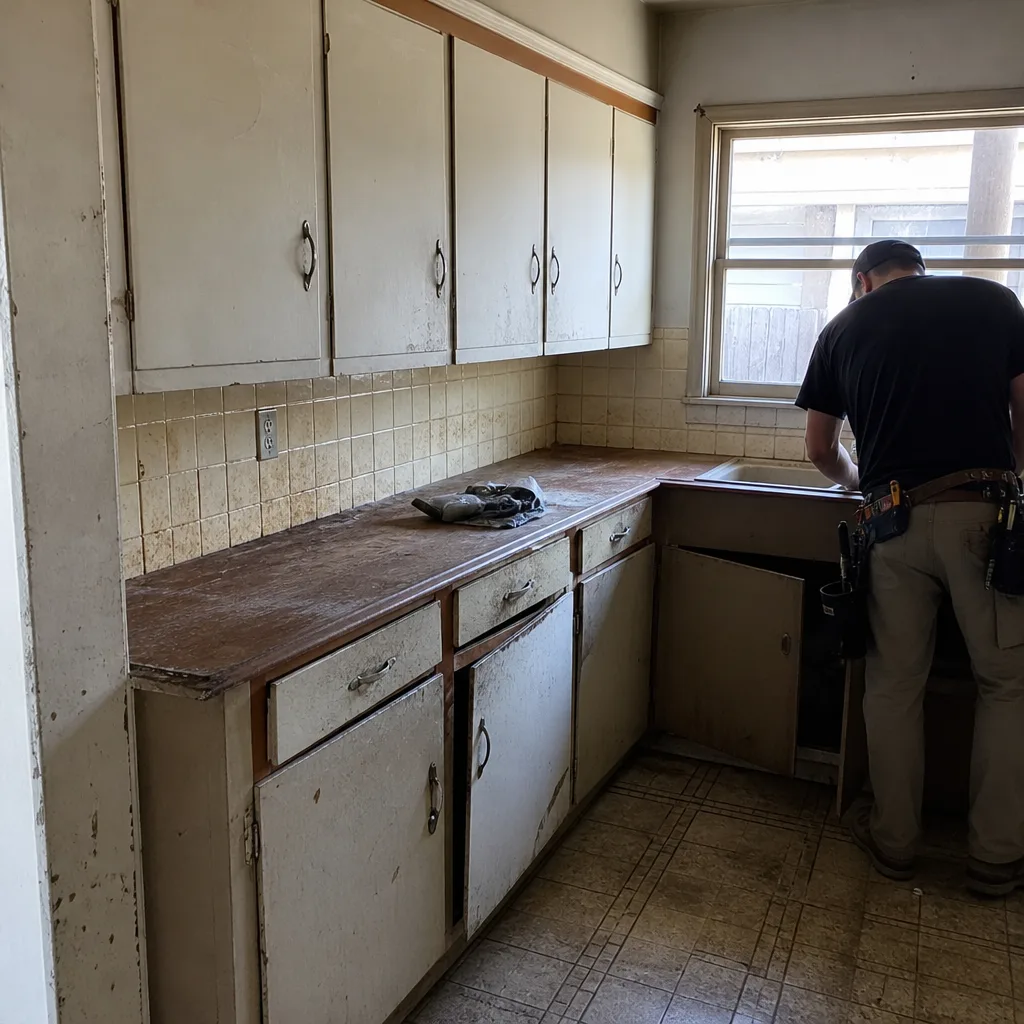 Before
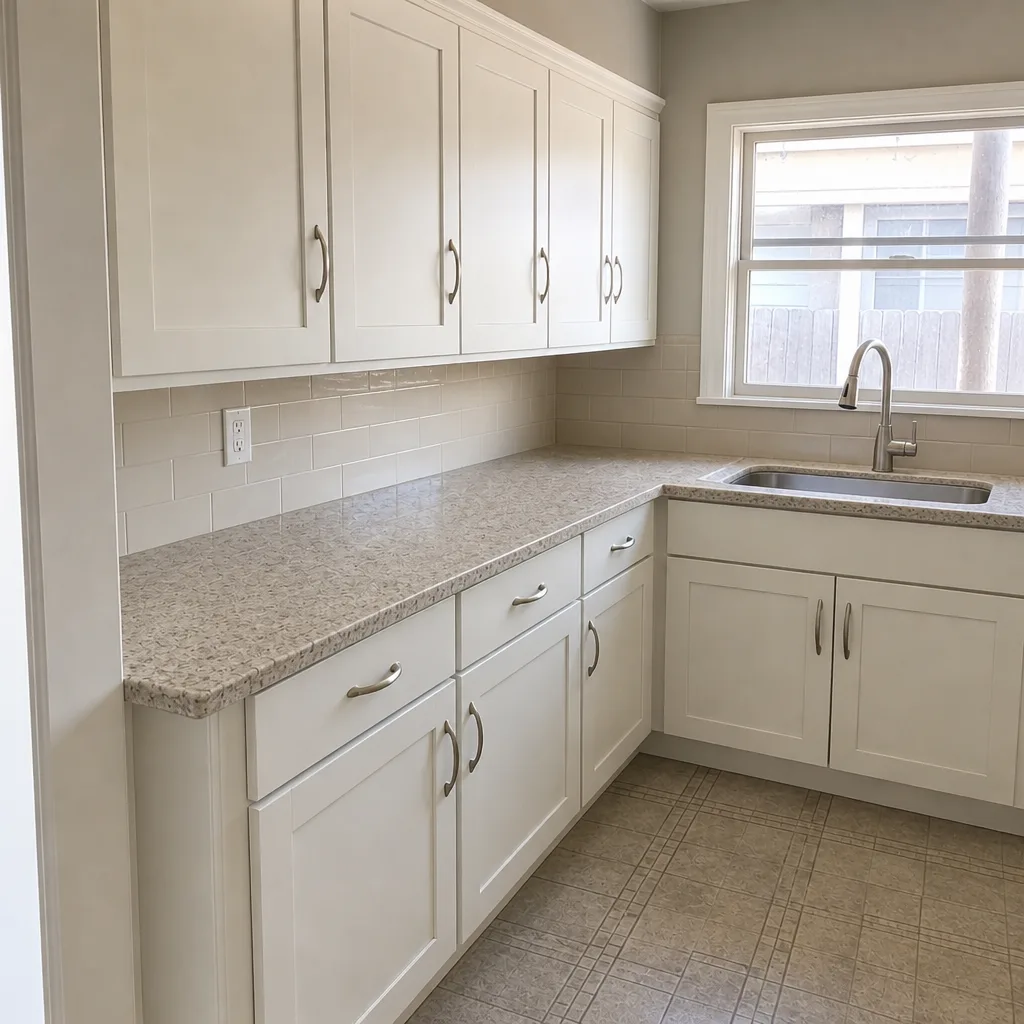 After
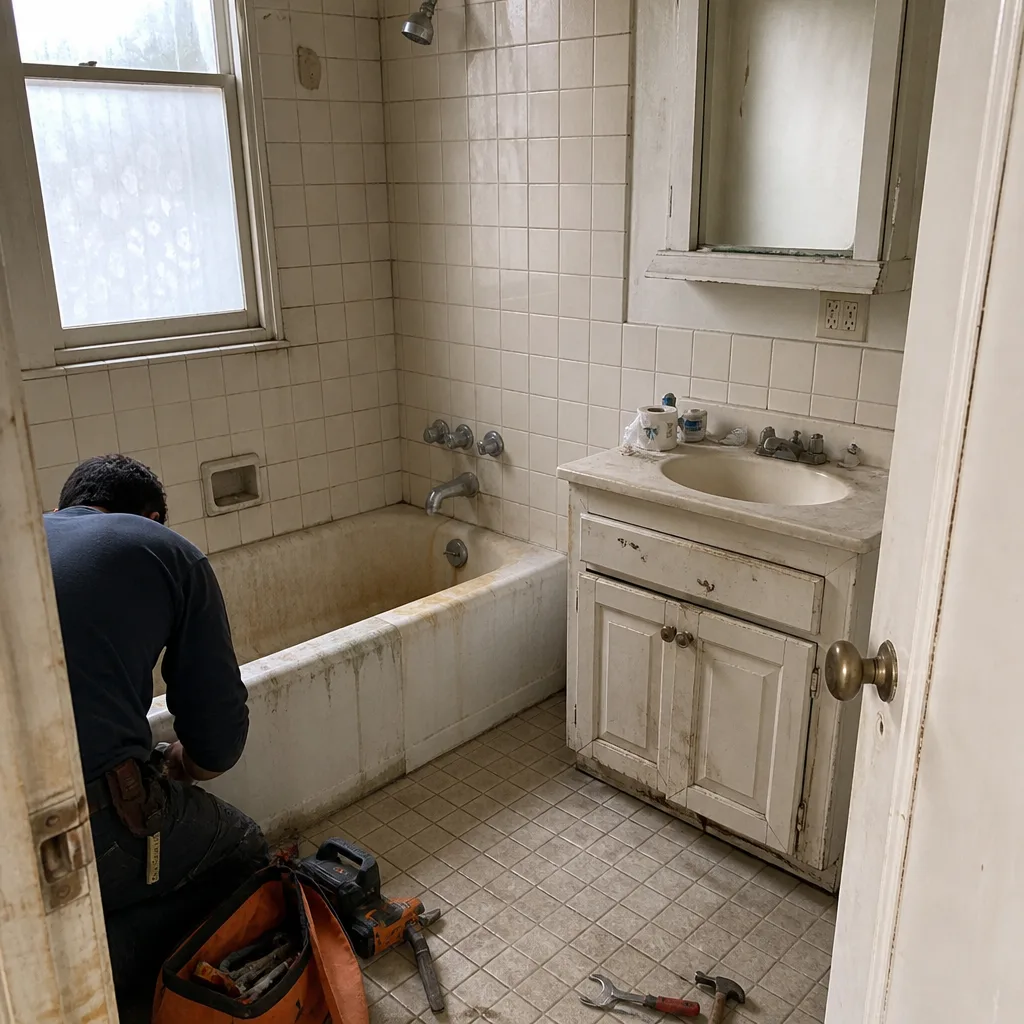 Before
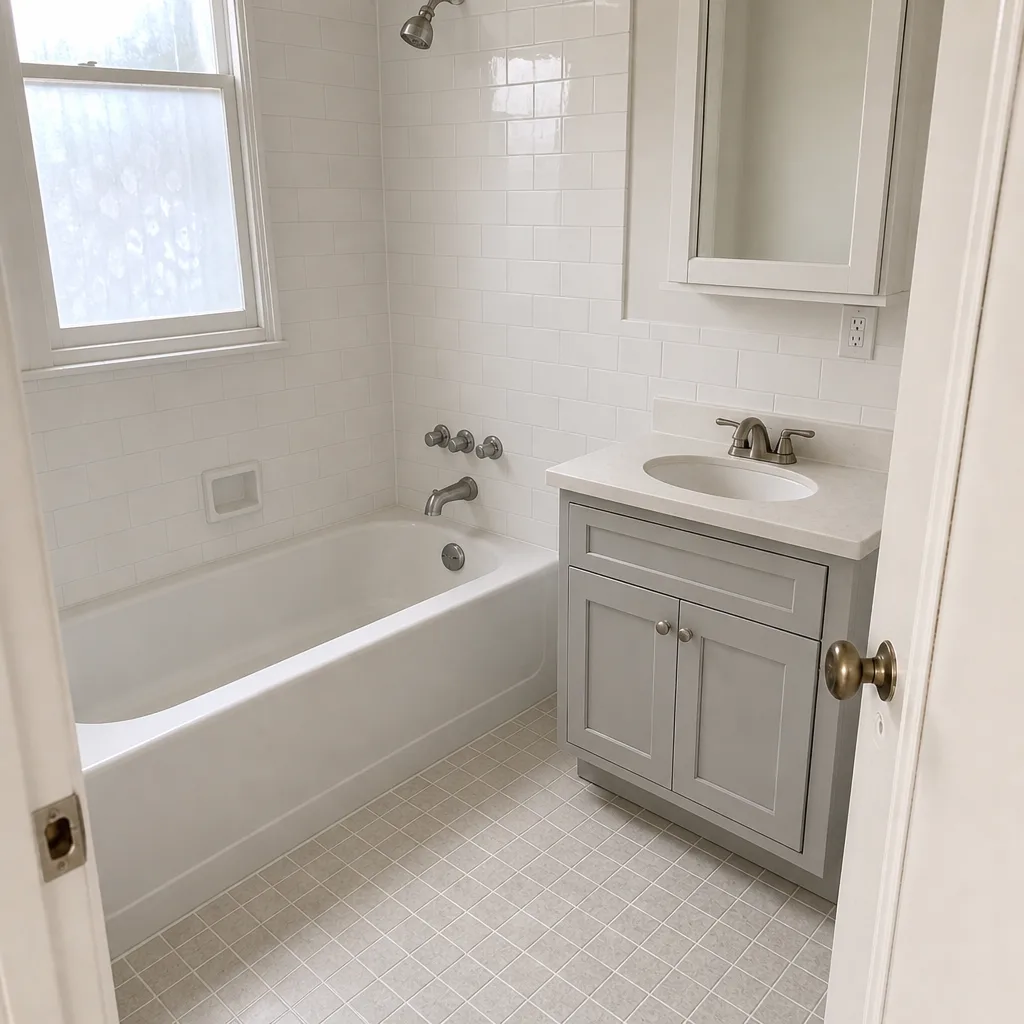 After
When to Call a Professional
Call a professional when your product decision touches a fire zone, when it involves Title 24 or CARB compliance, or when the warranty you’re relying on requires authorized installation. Those three situations are where a homeowner most often gets it wrong, and they’re also where the documentation chain has to be clean from purchase to final inspection. On a single product, like a fence or a paver driveway, the stakes are lower but the cross-reference process still matters. On a multi-phase project, hiring a single-source contractor is the only way to keep the material rules consistent across trades. Construction Berkeley offers free estimates in Berkeley. Call (844) 797-8850. We answer 24/7. Fast dispatch from 7am to 7pm, Sunday through Friday.
Frequently Asked Questions
Yes. Fire zone material requirements apply to the installed product, not to when you bought it, so a non-compliant product purchased before you checked will still fail final inspection. Verify the ignition-resistant rating on the exact SKU before installation begins. If you’re unsure, call (844) 797-8850 for a free estimate that includes a material compliance check.
No. CARB compliance applies to the specific composite wood product, and both compliant and non-compliant products can appear on shelves or listings, especially through national online channels. Ask for the compliance documentation on the exact product, not the brand family. Call (844) 797-8850 for a free estimate on a project that includes compliant composite materials.
Usually, yes. Professional-grade mid-tier products come with published technical data, installation support, and warranty terms a manufacturer enforces, while premium big-box lines often rely on appearance and marketing. The difference shows up most on pavers, lumber, and windows. Call (844) 797-8850 for a free estimate if you want the material list vetted before you buy.
Look for a manufacturer that publishes documentation on the full roof assembly, not just the shingle or panel. GAF, CertainTeed, and Owens Corning all do this, and their warranties depend on documented installation. Call (844) 797-8850 for a free estimate on a roofing system matched to Berkeley’s fog belt and UV exposure.
Unauthorized installation, installation that didn’t follow the manufacturer’s published requirements, and installation documentation that’s missing or incomplete are the most common reasons a warranty gets denied. Soil movement and UV fade exclusions are separate and often appear in the fine print. Call (844) 797-8850 for a free estimate that keeps the warranty intact.
You can do most of it yourself by requesting the technical data sheet and evaluation report on the exact SKU. What’s harder is knowing which local filters apply to your specific property, and that’s where a contractor with access to the right manufacturer documentation saves real time. Call (844) 797-8850 for a free estimate in Berkeley.
The Bottom Line
Choosing the right construction brand in Berkeley isn’t a matter of finding the best-reviewed product. It’s a matter of filtering every product through the three local requirements that national guides skip: fire zone ignition resistance, Title 24 and CARB compliance, and performance under the fog belt, UV exposure, and wet-dry cycling. A mid-tier professional-grade product with clear documentation beats a premium big-box SKU almost every time, and the warranty is only as good as the installation behind it. Match the grade to the application, match the documentation to the grade, and let a single-source contractor keep the material rules consistent across every phase of the project. That’s how a Berkeley homeowner gets from the sample board to final inspection without a re-do.
Call (844) 797-8850 for a free estimate. We answer 24/7. Fast dispatch from 7am to 7pm, Sunday through Friday. Every estimate is written, line-item, and priced per job, so you know exactly what you’re approving before work begins.
Our technicians have up to 9 years of experience.
Written by the team at Construction Berkeley.