Last updated November 18, 2026





Free written scope consultation - allowances, timeline, and change-order rules on paper before a single trade is scheduled
How to Hire a Construction Contractor in Berkeley: A Step-by-Step Guide
Most homeowners hire a contractor by checking a license number and calling three references. That’s the wrong order. In Berkeley, the harder question is whether a contractor actually knows how this city approves work. Berkeley’s building department runs one of the longer residential plan check timelines in the Bay Area, and a bid that doesn’t build that review time into the schedule is a bid that will slip. We’ve watched otherwise competent contractors lose months on a Berkeley job because they treated the permit like paperwork instead of a phase of the work. This guide walks through license classes, permit history checks, red flags in bids, and how to write payment terms that protect you. You’ll finish knowing what to verify before you sign anything in Berkeley.
Quick Answer
To hire a construction contractor in Berkeley, verify the license classification that matches your project (B for general work, C-8 for concrete, C-27 for landscaping), then pull the contractor’s actual permit history from city records rather than relying on references. Compare written, line-item estimates, and check that each bid accounts for Berkeley plan check timelines and fire zone compliance. Structure the contract so payments are tied to permit issuance and inspection sign-offs.
Styles & brands we work with
- Kitchen remodeling
- Bathroom remodeling
- Home additions & ADU
- Roofing
- Windows & doors
- Driveway & pavers
- Fence
Table of Contents
- Which contractor license do you need for a Berkeley project?
- How do you check a contractor’s Berkeley permit history?
- Why Berkeley plan check timelines change your schedule
- What should a Berkeley bid actually include?
- Red flags specific to Berkeley bids
- Subcontractors vs. in-house crews: what to ask
- How to structure payments around permits and inspections
- Questions to ask before you sign
Which contractor license do you need for a Berkeley project?
The license class should match the work, not just the title on the truck. California issues separate classifications, and a contractor legally can only perform work within the classes they hold. On a typical Berkeley residential project you’ll encounter three that matter most.
- B – General Building Contractor. This is the classification for whole-house remodels, additions, ADUs, and multi-trade projects. A B license lets a contractor take a job involving two or more unrelated trades, and it’s the one you want on a project that touches framing, plumbing, and electrical together.
- C-8 – Concrete Contractor. Covers driveways, walkways, foundations, and structural concrete. A paver or poured concrete driveway is C-8 territory, and a B contractor can subcontract it but shouldn’t hand it to an unclassified helper.
- C-27 – Landscaping Contractor. Covers planting, irrigation, and the softscape side of a yard. Fencing and hardscape often sit at the boundary between C-27 and C-8, which is worth asking about directly.
Here’s the part most homeowners skip: a B license does not automatically make a contractor good at the specialty trades inside your project. On a kitchen remodel that’s mostly cabinetry and finish work, you’re relying on the subcontractors behind that B license. We’ve seen homeowners assume the general contractor’s license covered everything, then discover the roofing portion ran through a separate specialty outfit with its own insurance. Ask which classifications are on the job before you sign. Our own project scope spans the full envelope of a home, which is why we look at your project as a single-source relationship rather than a handoff between trades.
How do you check a contractor’s Berkeley permit history?
You check permit history through the city’s public records and online permit portal, not through the references the contractor chose for you. Every permit pulled in Berkeley is a public record tied to a licensed contractor. It shows what they built, where, and whether the work got signed off. That record tells you more than three glowing phone references ever will.
- Ask for the license number in writing before any conversation about price. Write it down.
- Search the city’s permit records using the contractor’s business name and license number. Narrow the search to residential permits in the last several years.
- Check the final status on each permit. A permit that was issued but never finalized is a signal. It can mean the work wasn’t inspected, or that the contractor moved on before closeout.
- Look at the scope of past permits. If you’re building an ADU and their history is a string of fence permits, that’s useful information.
- Cross-reference the license state record for classification and standing. This is where you confirm they hold the class your project requires.
Do this for every contractor you’re seriously considering, and do it before the site visit. A contractor with a clean Berkeley permit history and finalized inspections is worth a longer conversation than one with a polished portfolio and no local record. If a contractor has never pulled a permit in Berkeley, that’s not automatically disqualifying, but it means you’re paying for their learning curve on how this city’s process works.
Why Berkeley plan check timelines change your schedule
Berkeley’s building department has one of the longer residential plan check timelines in the Bay Area. Even over-the-counter projects can run six to ten weeks through plan check. That single fact should reshape how you read every bid and every schedule you’re handed.
Think about what that means for a project with a real deadline. If a contractor quotes you a finish date without building plan check into the front end, they’re either guessing or planning to start before approval. Both are problems you inherit. A well-built schedule looks different:
- Permit submission and plan check occupy their own block at the start, not a footnote.
- Long-lead materials (windows and doors, cabinetry, custom countertops) get ordered against the anticipated approval date, not the day the crew starts.
- Inspection windows are reserved before work begins, since inspection availability is its own bottleneck.
- The schedule carries float, because almost every Berkeley project hits at least one round of plan check comments that need a response.
When we build a schedule for a Berkeley project, plan check is a named phase with its own duration. Materials that need six to eight weeks of lead time get ordered to land after approval, not before it. Homeowners who arrive already understanding the timeline tend to make better decisions about scope, because they can see what’s actually driving the date. Our guide to home additions & ADU walks through how that sequencing plays out on larger builds.
What should a Berkeley bid actually include?
A real bid is a line-item document, not a number texted from the driveway. In Berkeley, the difference matters more than in most cities because the permit and compliance costs are easy to hide in a lump sum. Here’s what a bid that’s worth comparing should contain.
- Line-item pricing for each phase: demo, framing, rough-in trades, finishes, exterior, and cleanup.
- Permit fees listed separately, with a stated basis for the estimate rather than a placeholder.
- A stated plan check allowance, not an assumption that approval is instant.
- Material specifications by brand and model, so you can compare bids on the same products rather than guess at vague allowances.
- Subcontractor names and license classes for each trade the general contractor isn’t performing directly.
- A written schedule with permit and inspection phases visible.
- A revision or change-order process in writing, with how cost adjustments are calculated.
Brand-level specificity is where bids get honest. If one bid lists “mid-grade countertops” and the other names a specific stone line, you’re not comparing prices, you’re comparing placeholders. When we build an estimate, it names products, because that’s the only way you can tell whether you’re deciding between two real options or two vague promises. Our Construction Berkeley team takes that approach across every phase of a project, from the driveway to the ridge line. Expect your bid to describe cabinets, counters, fixtures, roofing systems, and pavers by name, with the allowance alongside each.
Red flags specific to Berkeley bids
Some warning signs are universal. Others are specific to how projects go wrong in Berkeley. These are the ones we watch for when a homeowner brings us a bid from someone else to review.
- No mention of fire zone compliance. Parts of Berkeley sit in higher fire severity zones, and exterior work in those areas can require specific materials and detailing. A bid that doesn’t reference the zone your property falls in is a bid written from a template.
- Neighbor notification ignored. Berkeley has notification requirements for certain projects, and a contractor who doesn’t plan for them can stall your approval at the last step.
- Permit fees lowballed. Flat, suspiciously low permit line items are a classic setup for a change order mid-project. The fee depends on scope, and a contractor who knows the scope knows roughly what it’ll be.
- Over-the-counter claimed for a plan-check project. If the scope clearly needs a full review and the contractor says it’ll sail through the counter, ask for the basis.
- No discussion of inspection scheduling. Inspections take time to book, and a schedule that ignores them backs up the whole project.
- Exterior materials chosen without the envelope in mind. Windows, doors, roofing, and siding are one system. A bid that treats each as a separate line with no coordination is planning for callbacks.
None of these alone is fatal. Together, or repeated across several items, they tell you the contractor is working from a generic playbook rather than from this city. Our driveway & pavers and fence installation work gets asked about fire zone materials routinely, because hardscape and fencing are exactly the projects where proximity to vegetation drives the requirements. If a contractor’s bid doesn’t reflect that, ask why.
Subcontractors vs. in-house crews: what to ask
This is the question that separates a well-managed project from a coordination nightmare, and it rarely gets asked. A general contractor may perform some trades with their own people and subcontract the rest, and the mix tells you something about who’s accountable when something goes wrong.
Ask directly: for this project, which trades will your own crew perform, and which will run through subcontractors? Then ask for the subcontractor names and license classifications. A healthy answer is specific and confident. A vague answer (“we’ve got a guy for everything”) is a sign that the crew you meet at the estimate isn’t the crew that shows up in month two.
Why it matters on complex projects: the more trades involved, the more seams there are. A remodel touching framing, electrical, plumbing, cabinets, and exterior work has four or five meeting points where one trade finishes and another begins. When those trades belong to different outfits with separate schedules, blame gets distributed and the homeowner absorbs the delay. When a contractor controls the sequencing directly, there’s one throat to choke, so to speak, and one party responsible for getting the framing inspection signed before the insulation goes in.
The materials question follows the same logic. Ask which manufacturers the contractor is aligned with and whether that alignment carries a manufacturer warranty program. Roofing systems from top-tier manufacturers are a good example: brand-level authorization usually means the manufacturer’s own warranty program applies to the installation. That’s a real, verifiable benefit, and it’s worth asking about directly rather than assuming. With more than 50 manufacturer brands across roofing, cabinetry, countertops, plumbing fixtures, windows, doors, fencing, and pavers, we can name specific products and let the manufacturer’s own programs back the material side.
How to structure payments around permits and inspections
Calendar dates are the wrong trigger for payment. Permits and inspections are the right ones. A schedule that pays out on the 15th of the month rewards a contractor for being present, not for being done. A schedule tied to permit issuance and signed inspections rewards the completed phase.
- Small deposit on signing, to cover mobilization and permit submission costs.
- Payment on permit issuance, once the city has approved the scope and you’ve seen the permit number.
- Payment on rough-in inspection sign-off, not on the rough work being visually complete.
- Payment on each subsequent inspection milestone, tied to the specific inspection that closes that phase.
- Final payment on final inspection sign-off and a written punch list, with a clear process for correcting items before the last check clears.
The contract should also spell out what happens if the schedule slips. Some homeowners include a modest holdback or a defined penalty tied to missed milestones. That’s negotiable, but the principle matters: every payment should correspond to work that a city inspector has confirmed, not work the contractor says is finished. For larger projects, we recommend having a construction attorney or a contract advisor review the terms before signing, since the deviation comes back in the fine print at closeout.
Questions to ask before you sign
Bring this list to every conversation. The answers, and how quickly they come, tell you whether you’re talking to someone who has actually done this in Berkeley.
- What license classifications will be on this project, and which trades will run through subcontractors?
- How many Berkeley permits have you pulled in the last few years, and where can I see the final status?
- Does my property fall in a fire severity zone, and how does that affect materials?
- What’s your plan check allowance, and how do you build the timeline around it?
- Which specific manufacturer brands are in this bid, and do any of them carry manufacturer warranties?
- What’s the change-order process, and how do you price changes?
- What happens if an inspection fails or asks for corrections?
A good contractor answers these without flinching. If any answer is defensive or vague, you’ve learned something important before signing anything. Our technicians have up to 9 years of experience, and the questions above are the same ones our project leads expect to be asked on a first visit.
Common Mistakes to Avoid
- Hiring on personality. A great site visit and easy rapport don’t tell you anything about whether the contractor has finalized permits in Berkeley. The permit record is the real character reference.
- Treating the lowest bid as value. The lowest line-item total usually hides a vague allowance or a lowballed permit fee that returns as a change order. Compare specifications, not just totals.
- Skipping the plan check allowance. Berkeley’s review timeline is part of the project. If a bid lacks it, the schedule has a hole you’ll fall into.
- Not asking about the fire zone. Exterior projects in higher severity zones can require specific materials. A contractor who doesn’t mention it hasn’t looked at your property carefully.
- Paying on calendar dates. Payments tied to the 15th and the 30th don’t confirm anything got built. Tie them to inspections.
- Assuming the general contractor’s license covers the trades. It may not. Ask which specialty classifications are on your job.
- Accepting brand names only in the contract, not in the bid. If you can’t see the specific product in the estimate, you can’t compare bids. Put the brand in writing.
See the difference
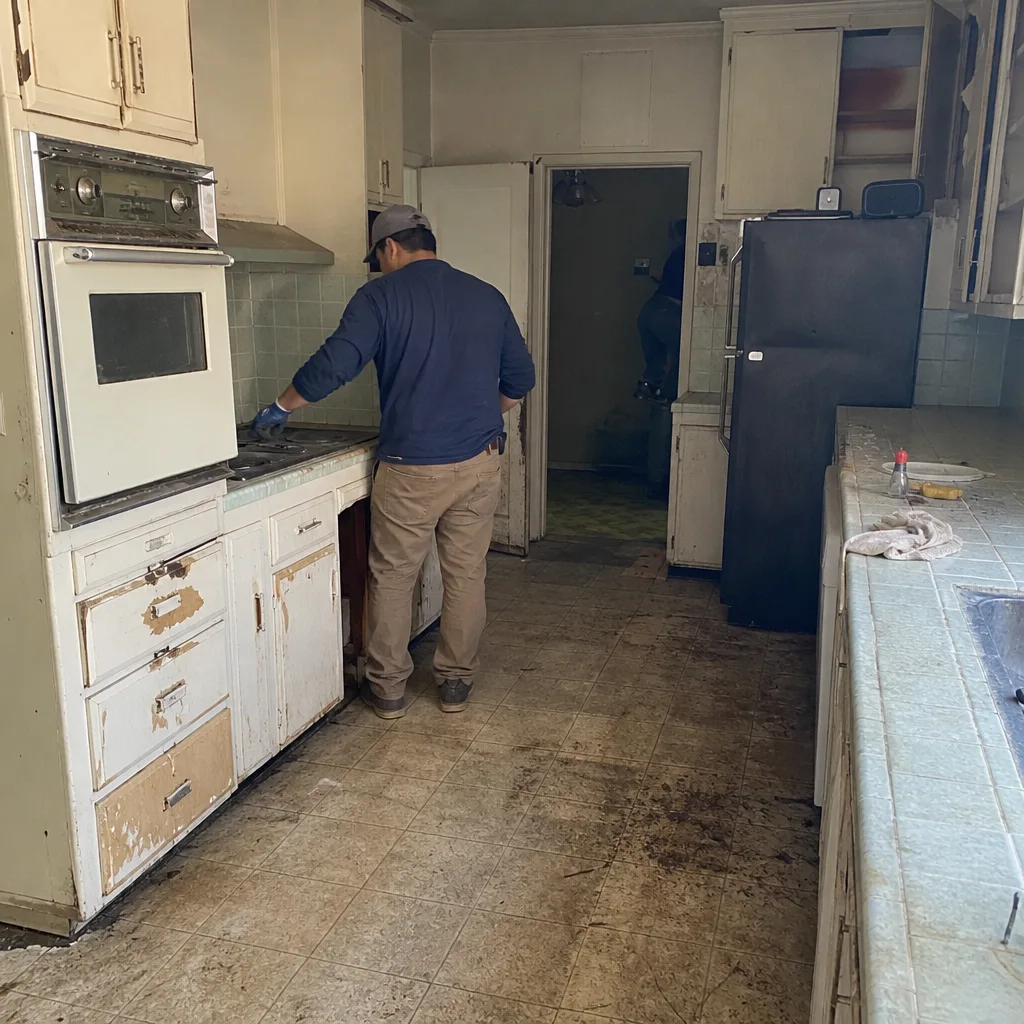 Before
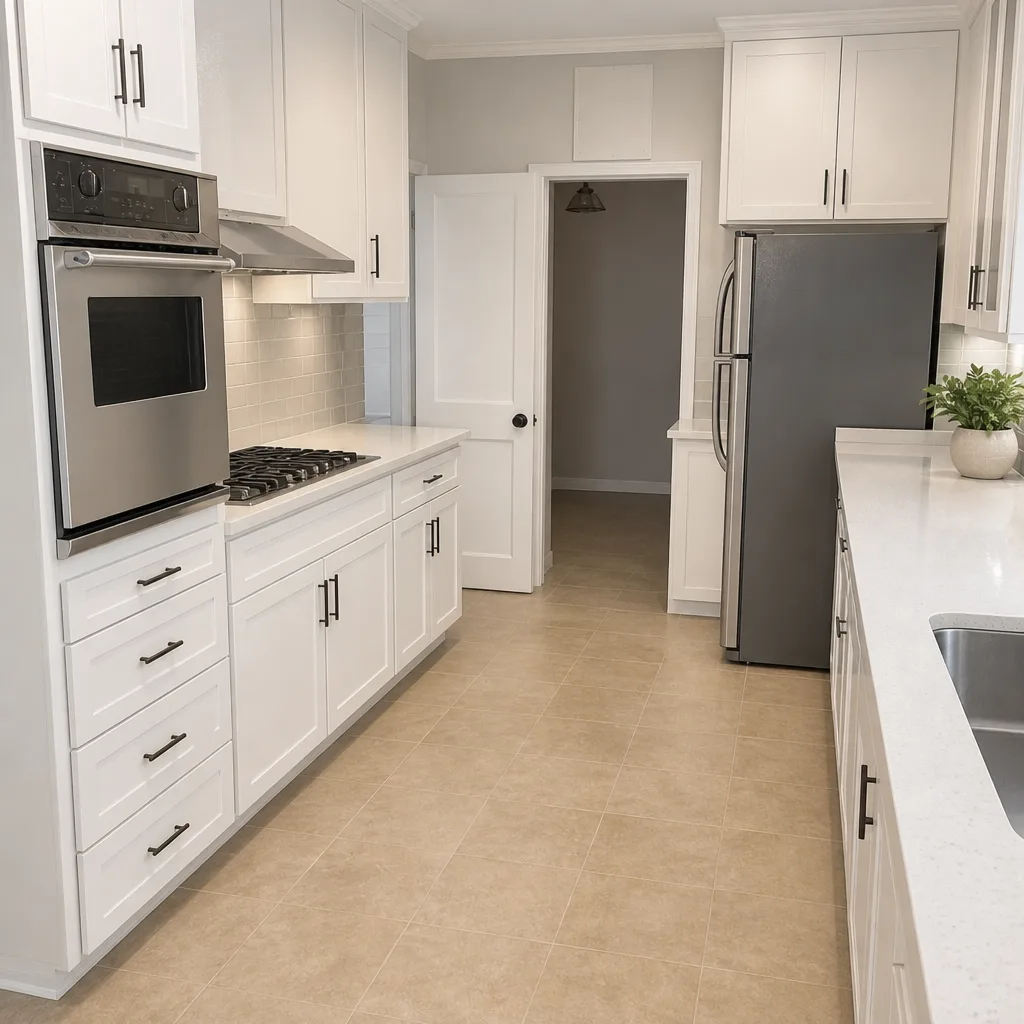 After
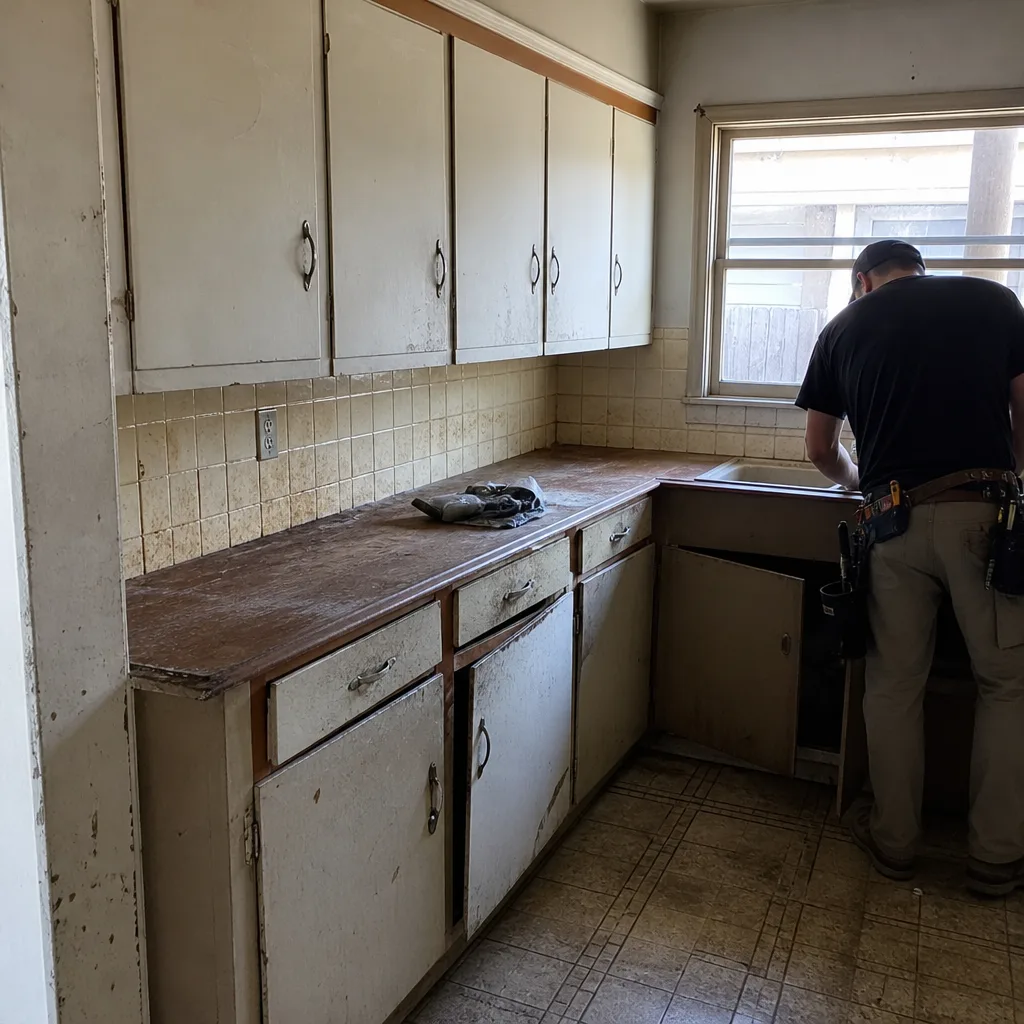 Before
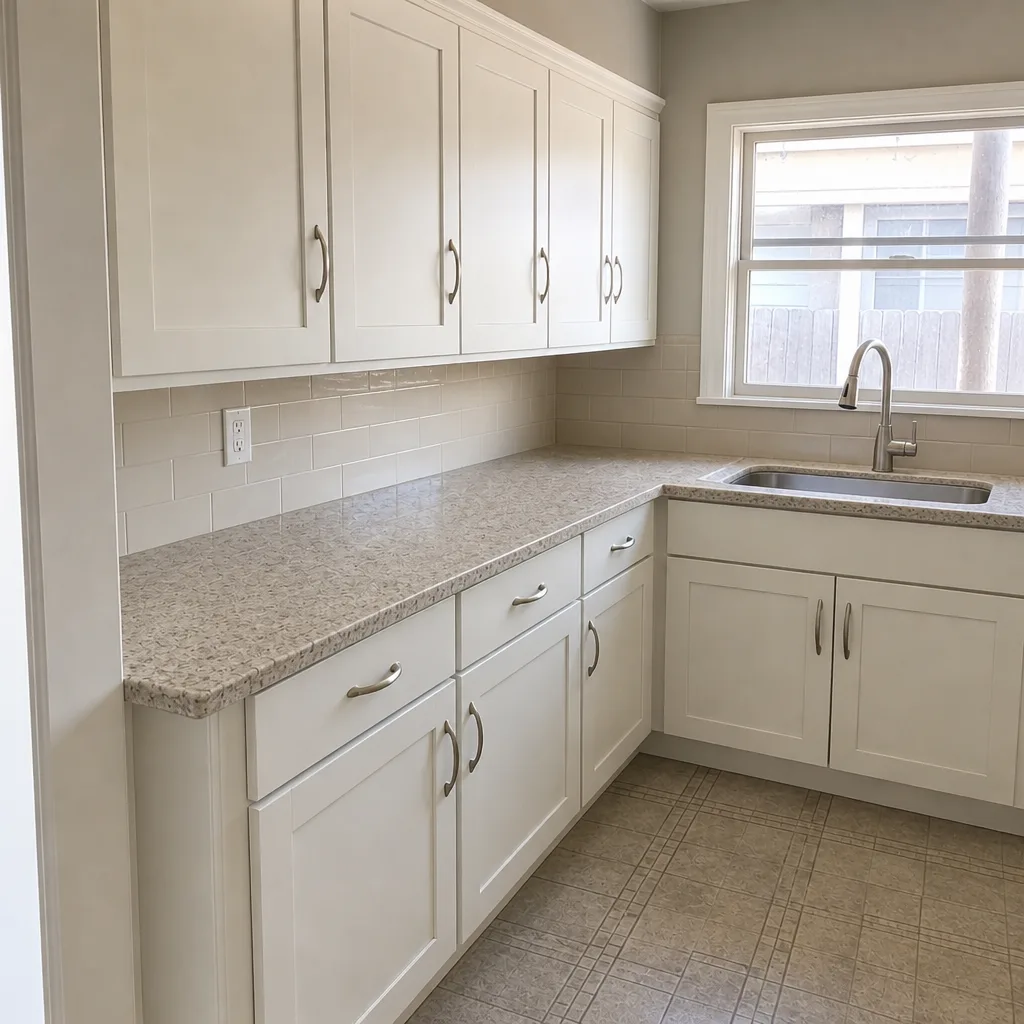 After
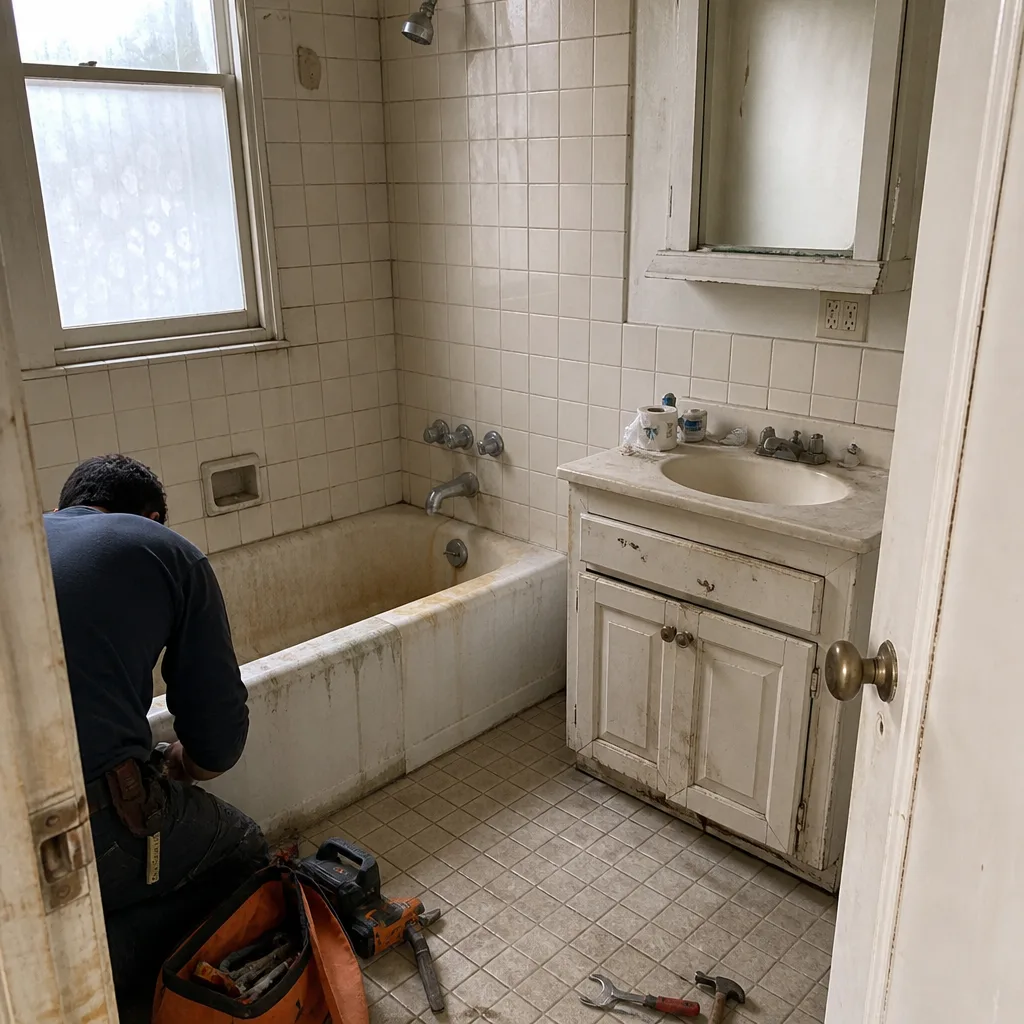 Before
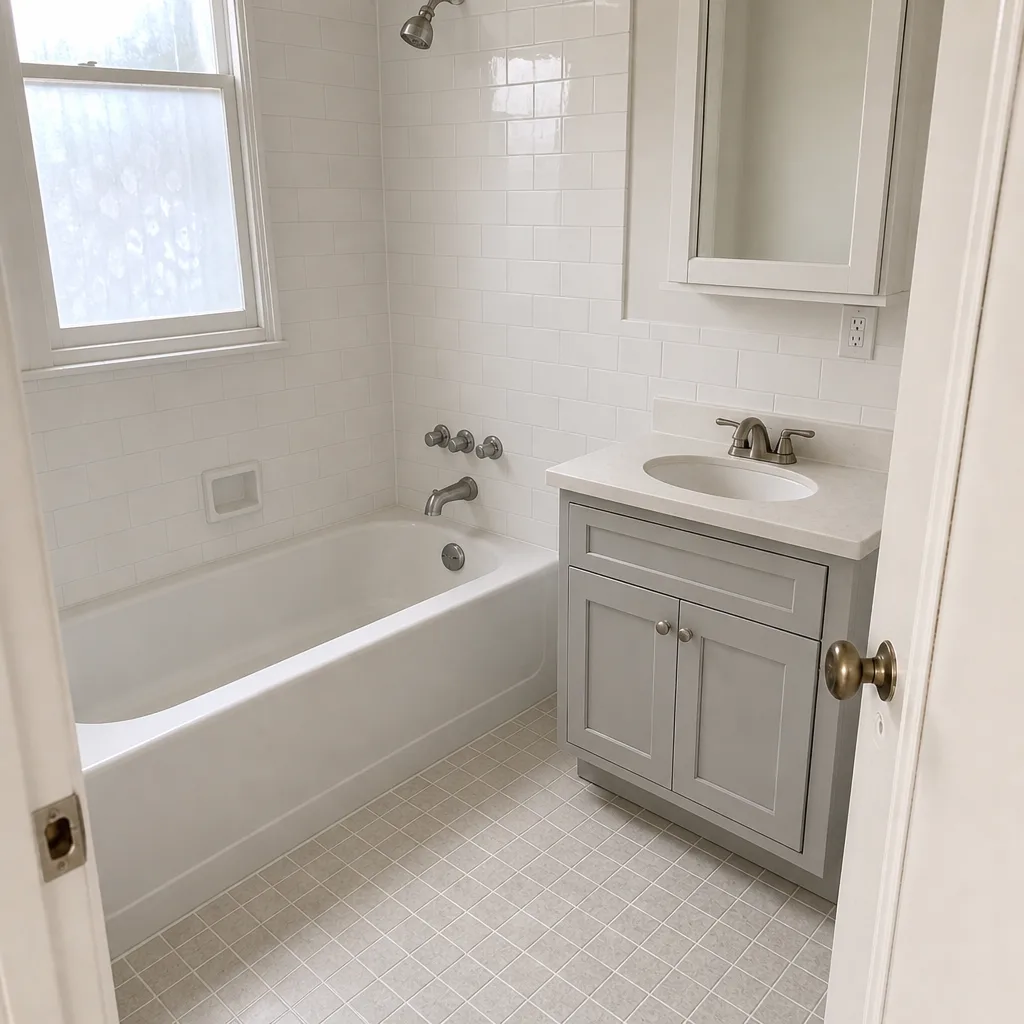 After
When to Call a Professional
Some work is a homeowner decision. A cabinet reface or a fresh paint job doesn’t need a contractor relationship. But when a project touches structure, permits, multiple trades, or the exterior envelope, the risk of getting it wrong grows faster than the scope does. Call a professional if your project involves any of these:
- An addition, ADU, or anything that changes the building footprint.
- Work that requires plan check rather than over-the-counter review.
- A kitchen or bath remodel where electrical, plumbing, and cabinetry overlap.
- Roofing, windows, or doors where the envelope has to act as one system.
- Concrete or hardscape work where grading and drainage matter.
- Any project where your property’s fire zone status affects materials.
Construction Berkeley offers free estimates in Berkeley. Call (844) 797-8850. We answer 24/7. Fast dispatch from 7am to 7pm, Sunday through Friday. The estimate is free, and the written, line-item quote is where the final price lives.
Frequently Asked Questions
You search the city’s public permit records and online portal using the contractor’s business name and license number, then check the final status on each permit. Finalized inspections with a clear record are what you want to see. A pattern of issued-but-unfinalized permits is a warning sign. Call (844) 797-8850 for an exact quote on your project, with the permit scope laid out in writing. Estimates are free.
Berkeley’s residential plan check timeline runs longer than most Bay Area cities, with over-the-counter projects averaging six to ten weeks. Projects needing a full review can take longer, especially if there’s a second round of comments. A contractor who knows this builds the time into your schedule. Call (844) 797-8850 to walk through what your project’s timeline looks like.
An ADU is multi-trade work, so you want a B General Building Contractor, with specialty classes (such as C-8 for concrete and C-27 for landscaping) handled by licensed subcontractors where their portion of the work applies. Ask which classifications will be on the job before signing.
Parts of Berkeley fall in higher fire severity zones, and exterior work in those areas can require specific materials and detailing. A bid that doesn’t reference your property’s zone is a bid that wasn’t written for your property. Ask the contractor to state your zone and what it means for the materials in the scope.
A properly written bid shouldn’t change unless your scope does. The written estimate sets the final price, and any change order should be documented and priced before work proceeds. If a bid has vague allowances or a suspiciously low permit line, expect the number to grow. The estimate is free, so call (844) 797-8850 and get the scope nailed down before anything gets signed.
No. Two totals can look identical and cover very different specifications. Compare bid line by line: brands, model numbers, permit allowances, plan check assumptions, and subcontractor assignments. A bid with named products and specified tolerances is worth more than a lower number with placeholders. Our Construction Berkeley team writes estimates you can compare directly.
The Bottom Line
Hiring a contractor in Berkeley comes down to four verifications: the license class matches the scope, the permit record is clean and finalized, the bid accounts for plan check and fire zone requirements, and payments are tied to inspections rather than dates. Do those four things and you’ve eliminated most of the ways a project goes sideways. The rest is choosing among qualified contractors on how they communicate, how specific their estimates are, and whether their materials come with verifiable manufacturer backing. Now is the moment to ask those questions. Call (844) 797-8850 for a free estimate. We answer 24/7. Fast dispatch from 7am to 7pm, Sunday through Friday.
Written by the team at Construction Berkeley.