Last updated November 18, 2026


Free written scope consultation - allowances, timeline, and change-order rules on paper before a single trade is scheduled
DIY vs Professional Construction: The Berkeley Homeowner’s Decision Guide
Most homeowners frame the DIY versus contractor question as a skills test: can I do this myself, or do I need to hire? In Berkeley, that framing misses the real risk. California law lets you owner-build on your own property, but the moment a project touches the Hillside Fire Zone, sits inside a historic district overlay, or crosses a permit threshold, the decision stops being about your ability with a saw and starts being about what the city, a buyer’s lender, and a future disclosure packet will demand of that work. This guide walks through where DIY genuinely works in Berkeley, where local code makes it a bad bet, and how to weigh the tradeoffs project by project.
Quick Answer
DIY is a sound choice for cosmetic, non-structural work in Berkeley such as interior painting, tile replacement, and non-structural demolition. Anything involving electrical, plumbing, grading, structural changes, or work in the Hillside Fire Zone is where professional construction pays for itself, because permit eligibility, fire-zone compliance, and resale disclosure turn small savings into large liabilities. The right answer depends less on your skill level than on where the project sits on Berkeley’s map and how far it pushes past permit thresholds.
Styles & brands we work with
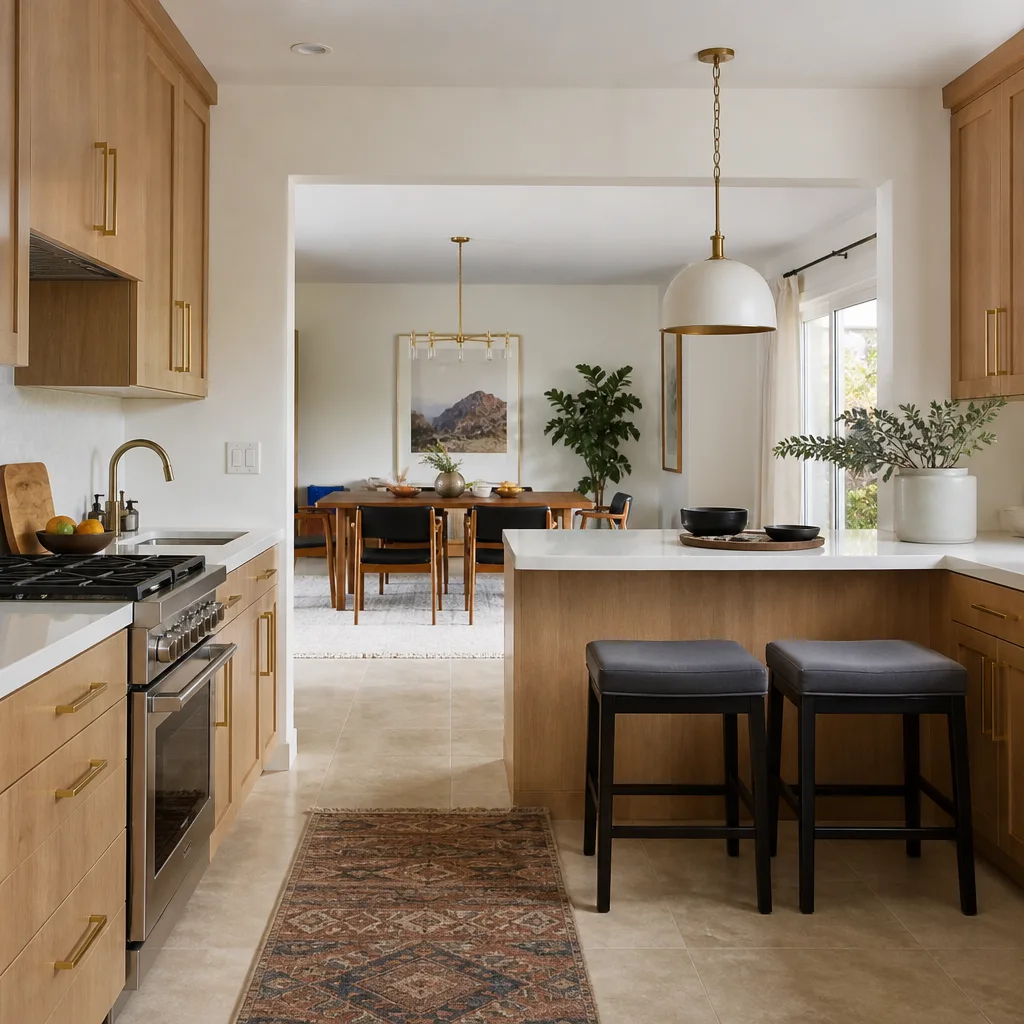
- Kitchen remodeling
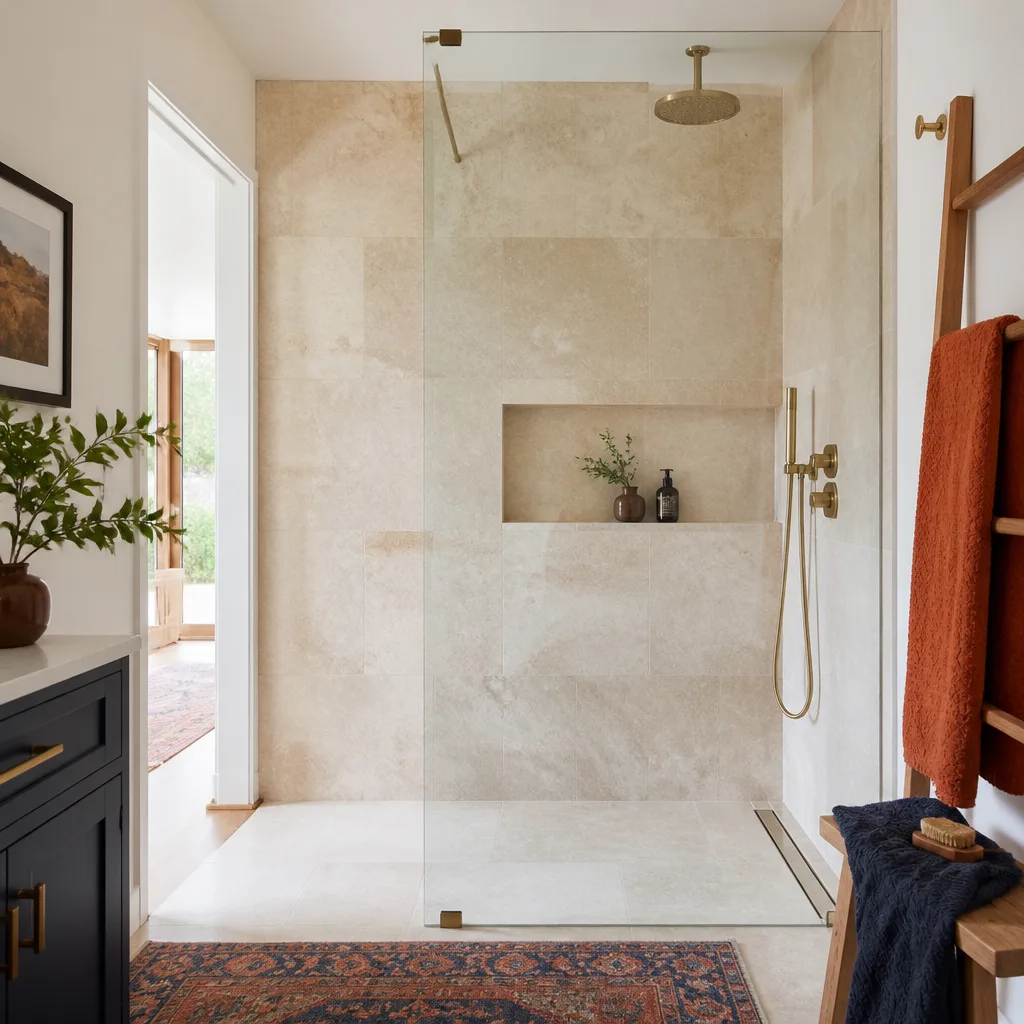
- Bathroom remodeling
- Home additions & ADU
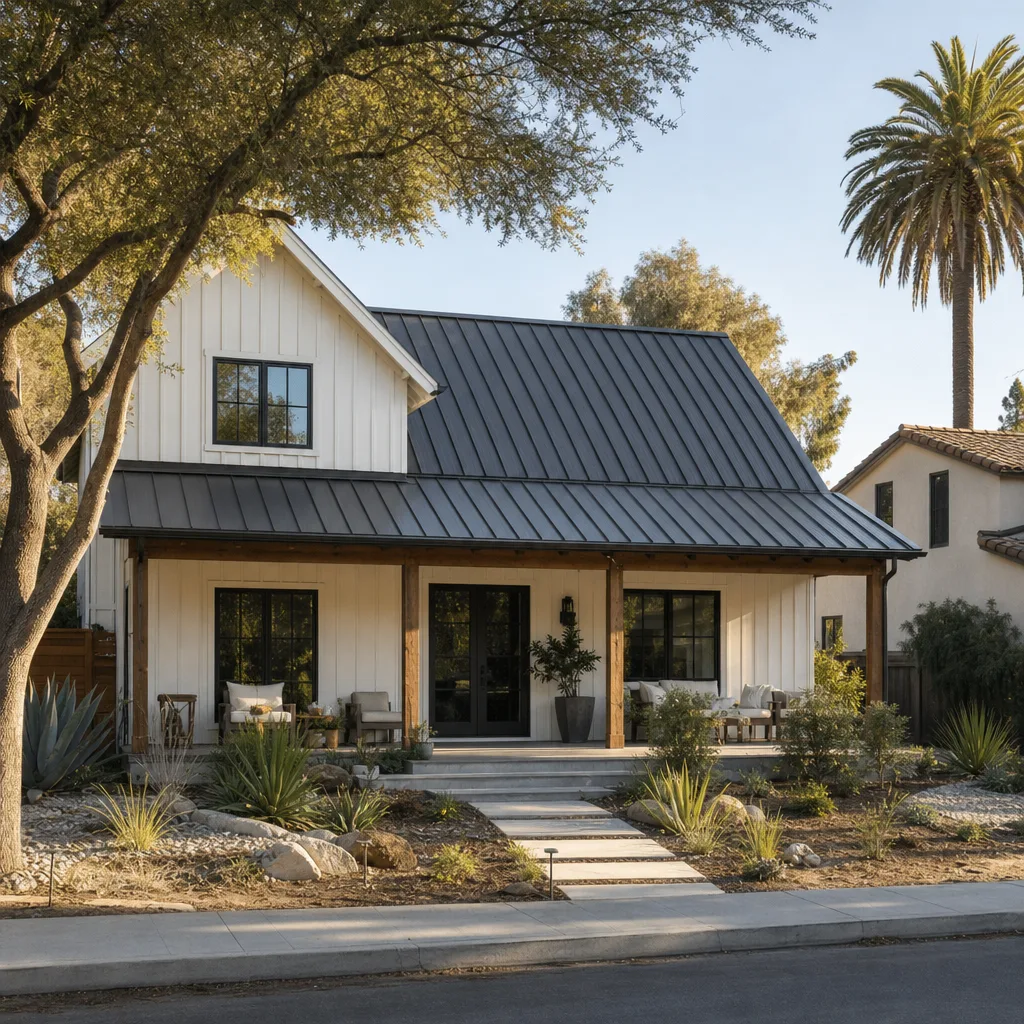
- Roofing
- Windows & doors
- Driveway & pavers
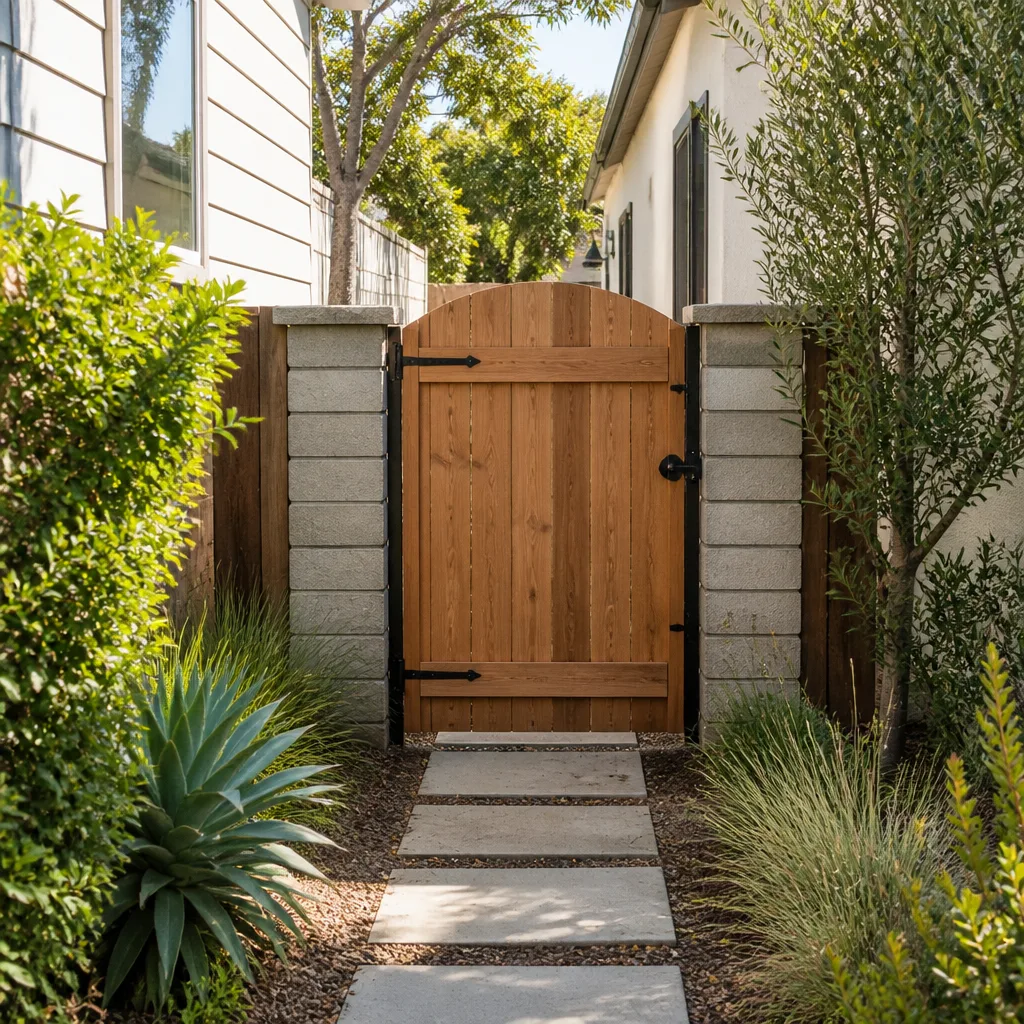
- Fence
Table of Contents
- What Berkeley’s Owner-Builder Permit Actually Allows (and Prohibits)
- Where DIY Genuinely Works in Berkeley
- Where Berkeley Code Makes DIY Impractical
- How Unpermitted Work Affects Berkeley Home Resale
- The Hidden Cost of DIY Mistakes: Re-Inspection and Correction Orders
- A Decision Matrix by Project Type for Berkeley Homes
- The Hillside Fire Zone and Historic Overlay Variables
- How to Choose and Vet a Berkeley Contractor
What Berkeley’s Owner-Builder Permit Actually Allows (and Prohibits)
California gives homeowners the legal right to pull permits and build on their own property without holding a contractor license. That single fact is why so many Berkeley homeowners assume every project is fair game. The permission is real, but it comes with a narrow boundary that trips people up after the work is already framed and inspected.
An owner-builder permit lets you act as your own general contractor and perform or supervise the work yourself on a property you occupy. What it does not do is transfer professional liability onto the city, onto a future buyer, or onto an insurer who later decides your work caused a fire. If owner-built work injures someone or contributes to structural failure, the liability sits squarely with the owner who signed the permit.
What the owner-builder route permits
- Pulling permits in your own name for work on a home you occupy as your primary residence
- Hiring licensed specialty trades (electricians, plumbers) to handle their portions while you coordinate
- Performing the physical work yourself in trade categories that don’t require a state license
- Acting as your own project manager across multiple stages of a build
What it legally prohibits
- Building for sale or doing owner-builder work on a property you don’t occupy
- Performing licensed trade work (electrical, plumbing) yourself in most cases without the appropriate license
- Handing off general-contractor responsibility to an unlicensed person on your behalf
- Skipping inspections that code requires at defined milestones
The liability piece is what most homeowners underestimate. When you sign that permit, you own the outcome, including the correction orders, the re-inspection fees, and the disclosure obligations that follow the property for years. For a project of any real scope, that’s a serious thing to weigh against the cost of hiring.
Where DIY Genuinely Works in Berkeley
We’re not anti-DIY. Plenty of Berkeley projects are well suited to a capable homeowner, and a contractor who tells you otherwise is guarding their own revenue. The honest answer is that certain categories of work don’t touch permit thresholds, don’t affect structural integrity, and don’t create disclosure problems at resale.
The key is understanding where the line sits. Cosmetic work generally clears it. Anything that alters the building envelope, moves utilities, or changes the footprint crosses it.
Project types where DIY is a reasonable call
- Interior painting. Prep, primer, and finish coats. Nothing here requires a permit or a license, and the satisfaction-to-cost ratio is high.
- Tile replacement. Swapping a backsplash, retiling a shower floor in kind, or replacing worn tile. As long as you’re not moving plumbing or altering structural substrate, this stays within reach.
- Non-structural demolition. Removing old cabinetry, pulling out a non-load-bearing partition after confirming it isn’t load-bearing, tearing out carpet or old fixtures.
- Cosmetic upgrades. Hardware, light fixture swaps on existing circuits, caulking, trim refresh, cabinet refacing with pre-manufactured fronts.
- Landscaping and planting. Non-graded yard work, planting, low retaining walls below the code threshold.
Where the line is (and why it matters)
Two things move a project from DIY-friendly to professional-only. The first is whether it requires a permit. The second is whether it affects safety systems or structure. If the answer to either is yes, the calculus changes. A great tile job that hides a rotting subfloor is a future problem. A light swap that overloads a circuit is a fire waiting to happen. Even when the visible work looks simple, the underlying systems are where experienced eyes matter.
Where Berkeley Code Makes DIY Impractical
The categories below are where Berkeley’s permitting and code environment make DIY a poor trade. It’s not that homeowners lack the hands. It’s that the regulatory and inspection requirements assume a licensed trade and an accountable professional. When you skip that, you’re not saving money; you’re deferring it with interest.
Electrical
Electrical work is licensed for a reason. A homeowner who rewires a circuit, adds a sub-panel, or installs fixtures on new circuits is playing with fire risk in a very literal sense. Most electrical work requires a licensed electrician and inspection. In Berkeley, the inspection is not a formality; it’s a real check that catches the wiring mistakes most homeowners don’t recognize.
Plumbing
Same story. Repiping, moving drain lines, and connecting new fixtures to code all require a licensed plumber and permits. A slow leak under a slab or a bad slope in a drain line isn’t something you find until the damage is expensive.
Grading and drainage
Berkeley’s hillside topography means grading work is scrutinized. Retaining walls above a certain height, drainage alterations, and any work that changes how water flows across a property can require engineering and permitting. A DIY retaining wall that fails during a rainy winter is a liability on multiple fronts.
Structural changes
Any wall removal, beam addition, foundation repair, or footprint change crosses into structural territory. This is where the fire-zone and historic-overlay questions intersect with genuine engineering needs. A structural change without proper permits and inspections is the single most reliable way to create a resale problem down the line.
For homeowners facing these categories, the conversation usually starts with a Construction Berkeley team that can walk through the project scope and permit path before any work begins.
How Unpermitted Work Affects Berkeley Home Resale
This is the section Berkeley homeowners skip, and it’s the one that matters most. Unpermitted work doesn’t stay hidden. It surfaces in disclosure, in the buyer’s inspection, and critically, in the lender’s underwriting. Berkeley’s market runs on high valuations and informed buyers, which means the tolerance for unpermitted additions, converted garages, and unpermitted ADUs is lower than in most cities.
What disclosure requires
California requires sellers to disclose known material defects and any permitted or unpermitted work on the property. Sellers routinely sign transfer disclosure statements that must be accurate. If you built an unpermitted addition, finished a garage into living space without permits, or ran electrical on a new circuit without going through the city, that has to be disclosed. Failure to disclose is a legal exposure that follows the seller.
What buyers and lenders demand
In Berkeley’s market, most buyers use financing. Lenders are wary of unpermitted habitable additions because they can’t be counted in the appraised value the same way permitted square footage is. Some lenders require unpermitted work to be removed, legalized, or excluded from the appraisal before they’ll fund. That’s where the cost of the original DIY savings gets recaptured, plus remediation.
Unpermitted work in the Hillside Fire Zone gets an extra layer of scrutiny. Work that isn’t fire-zone compliant can trigger a requirement to bring the structure into compliance, and in the worst case that means substantial rebuild to current code, not a paperwork fix.
- Unpermitted habitable space can be excluded from appraised value
- Some lenders require legalization or removal before close
- Fire-zone noncompliance can force corrective construction
- Buyers can renegotiate based on documented unpermitted work
- Future insurance claims can be denied if unpermitted work contributed to loss
If you’re mid-project or planning something that might cross a threshold, this is the reason it’s worth getting a professional read before the first frame goes up.
The Hidden Cost of DIY Mistakes: Re-Inspection and Correction Orders
The visible DIY savings are the parts and the labor you didn’t pay for. The invisible costs are the ones that show up months later: re-inspection fees, correction orders, and the premium you pay a licensed contractor to fix work that didn’t pass code the first time.
Re-inspection fees
When an inspection fails, the city requires a re-inspection and usually charges for it. That’s a straightforward cost. The compounding cost is the schedule disruption. If the failed inspection holds up the next stage of work, everything downstream slips. Permit cycles in Berkeley already involve coordination; a bump in the schedule can add weeks to a project that was supposed to be done by summer.
Correction orders
These are the bigger financial event. A city correction order tells you to fix the non-compliant work, and it can require the work to be brought fully into code, not just patched. For a DIY electrical mistake or a structural shortcut, the correction can be a sizable project on its own. There’s also a premium when a licensed contractor has to come in and correct work they didn’t install. They have to undo, inspect, redo, and warrant work they can’t fully see underneath.
The real math
The realistic way to weigh the trade is simple: add up the DIY savings from the original scope and compare it against the likely correction cost multiplied by the probability you’ll need it. For a cosmetic job, that math favors DIY. For a structural or utility job, it doesn’t. The premium cost of having a licensed contractor correct non-compliant work is almost always larger than hiring them in the first place.
A Decision Matrix by Project Type for Berkeley Homes
The right call depends on three Berkeley-specific variables layered over the project type: whether the property is in the Hillside Fire Zone, whether it sits inside a historic district overlay, and how far the project pushes past permit thresholds. Below is a matrix that sorts project types into a reasonable default.
DIY is a reasonable default
- Interior painting: no permit, no fire-zone implications, no resale risk
- Tile replacement in kind: cosmetic only, no utilities moved
- Non-structural demolition: after confirming walls aren’t load-bearing
- Cosmetic upgrades and hardware swaps: existing circuits only
- Yard work and planting: below grading thresholds
Professional construction is the safer call
- Electrical (new circuits, panels, re-wires): licensed trade, permits, inspections required
- Plumbing (repiping, drain moves, new fixtures): licensed trade and permits
- Grading, drainage, and retaining walls: hillside scrutiny in Berkeley
- Structural work (walls, beams, foundations): always permits and inspection
- Additions and ADUs: permit path, fire-zone and historic review, resale consequences
- Roofing and exterior envelope work: fire-zone material requirements and warranty implications
Case-by-case (get a read before deciding)
- Kitchen or bath updates short of full remodel: depends on whether you move utilities or alter structure
- Window and door replacement: depends on openings, historic district, and fire-zone material rules
- Deck or pergola: depends on height, attachment, and grading
The matrix is a starting point, not a verdict. Even within a category, the specific scope of your project can move it up or down a level. A tile job that uncovers a hidden leak quickly becomes a case for professionals. A cosmetic upgrade in a historic overlay may need review even though the work is minimal.
The Hillside Fire Zone and Historic Overlay Variables
Two overlays dominate the “professional vs DIY” decision in Berkeley, and they’re the variables most homeowners don’t factor in until they’re already deep into a project. Understanding them before you start is the difference between a clean permit path and a remediation bill.
The Hillside Fire Zone
Properties in Berkeley’s fire zone face stricter requirements on materials, exterior construction, and fire-resistant detailing. Roofing materials, siding, decking, and window assemblies all have compliance requirements that go beyond the base code. This is where a DIY exterior project can look fine and fail compliance at inspection, or worse, get flagged at resale. Manufacturers like Atlas, Tamko, and Boral make fire-rated assemblies that meet these requirements, but the specific product for your zone needs to match the compliance path the city requires. Getting it wrong is an expensive do-over.
The fire zone also amplifies the rese implications of unpermitted work. Non-compliant structures in the fire zone can require corrective construction, not just paperwork. This is why the DIY savings math changes for any structure within the zone.
Historic district overlay
Berkeley has historic districts and designated landmarks that trigger design review for exterior changes. Even a window replacement in a historic overlay can require approval that changes the material options and the timeline. This is a category where homeowners routinely start DIY work that then has to be undone and redone after design review flags it.
Permit thresholds
Below the threshold, you can often proceed without a permit. Above it, the full review applies. The threshold is scope-specific, so the answer for your project depends on exactly what you’re planning. A quick check with the city before you start is worth more than any amount of research after the fact.
How to Choose and Vet a Berkeley Contractor
If your project lands in the professional category, the contractor selection process matters as much as the decision to hire. Vetting a Berkeley contractor is a specific process, and the questions worth asking aren’t the ones that make it onto most review sites.
A vetting sequence that works
- Confirm licensing and insurance. Ask for the license number and the insurance certificate. Any contractor who hesitates to share is a contractor to skip.
- Ask about permit responsibility. A serious contractor pulls the permit in their name. If they ask you to pull it as owner-builder, that’s a red flag for their own liability posture.
- Ask for fire-zone experience if you’re in the zone. A contractor who has worked in the Hillside Fire Zone knows the material requirements and the inspection path. One who hasn’t will learn on your project.
- Get a written scope with line items. The written estimate should itemize products and labor, not lump-sum. This is where you compare bids fairly.
- Ask about materials and brand access. Contractors who work with established manufacturers can source warranty-backed assemblies and assemblies that meet your zone requirements.
- Confirm the inspection sequence. Ask which inspections the project will require and who schedules them.
The best vetting test for Berkeley projects is whether the contractor can explain the permit path and the fire-zone or historic review implications without prompting. If they can, you’ve found someone who knows the terrain.
For projects that span multiple disciplines, our approach at Construction Berkeley is single-source accountability across kitchen, bath, additions, ADU, roofing, windows and doors, fencing, and hardscape, so the permit path, the trade coordination, and the final inspection sequence live with one team rather than four. When your project crosses into roofing, envelope work, or a full kitchen remodeling scope, that coordination is where the real risk lives.
If the project includes an addition or a secondary unit, the permitting complexity multiplies. Our home additions & ADU team works through the fire-zone, historic, and structural reviews as part of the design phase, and can weigh conventional builds against prefab and modular options from manufacturers like Abodu, Dvele, and Mighty Buildings.
For exterior work, sourcing compliant materials matters as much as installation. Our windows & doors work leans on manufacturer-aligned systems from names like Mr-Glass, and our fence installation scopes around fire-zone requirements and material selection from established brands. Hardscape projects through driveway & pavers use pavers from Belgard, Unilock, and Techo-Bloc, which carry product warranties independent of installation.
Common Mistakes to Avoid
- Assuming a homeowner permit makes the work safe at resale. An owner-builder permit keeps the work legal during construction, but it doesn’t erase the disclosure and lender scrutiny that follows the property. Any significant project should be evaluated against the future sale, not just the current budget.
- Starting exterior work without checking the fire-zone classification. In Berkeley’s Hillside Fire Zone, materials and assemblies have compliance requirements that a generic exterior project doesn’t. Starting without confirming compliance is a reliable path to redo work after inspection.
- Pulling the general contractor permit when you’re hiring specialty trades. If you’re owner-building, you own the sequencing and the inspections. If you hire someone, they should pull the permit. Mixing the two creates a liability puzzle that surfaces when something goes wrong.
- Treating cosmetic scope as the whole scope. A bathroom tile replacement that turns into a subfloor repair is no longer cosmetic. Stopping to reassess scope when hidden conditions appear is cheaper than proceeding and correcting later.
- Skipping the line-item estimate when comparing bids. A lump-sum bid hides the material quality differences that drive long-term performance. In a project where the envelope, roof, or structural work is involved, the product brands behind the bid are the difference between warranty-backed assemblies and commodity installs.
- Ignoring the historic overlay. Exterior changes in Berkeley historic districts can require design review. Discovering that after the work is installed means removing it and starting over with the approved materials.
- Underestimating the premium cost of correcting non-compliant work. A licensed contractor fixing work they didn’t install has to undo, inspect, and warranty work they can’t fully see. The correction premium is almost always larger than the original hire would have been.
See the difference
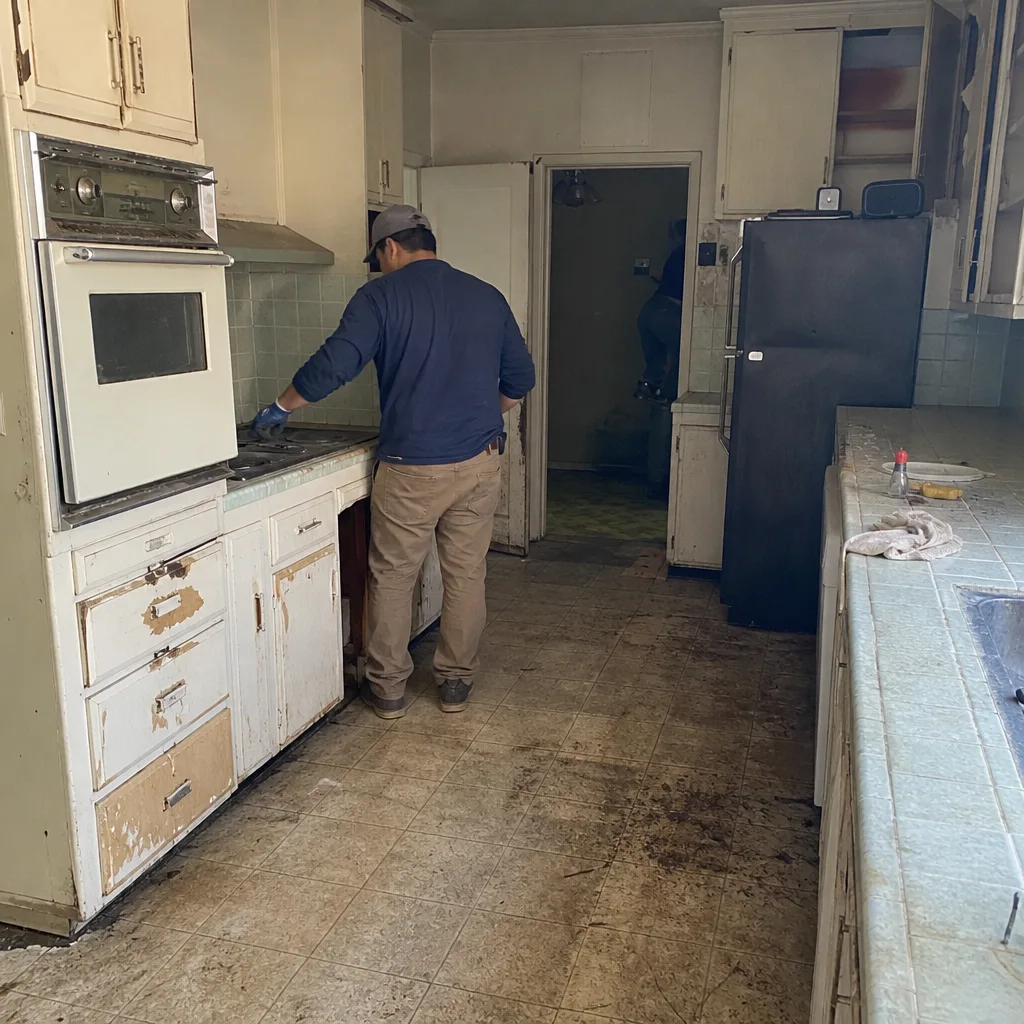 Before
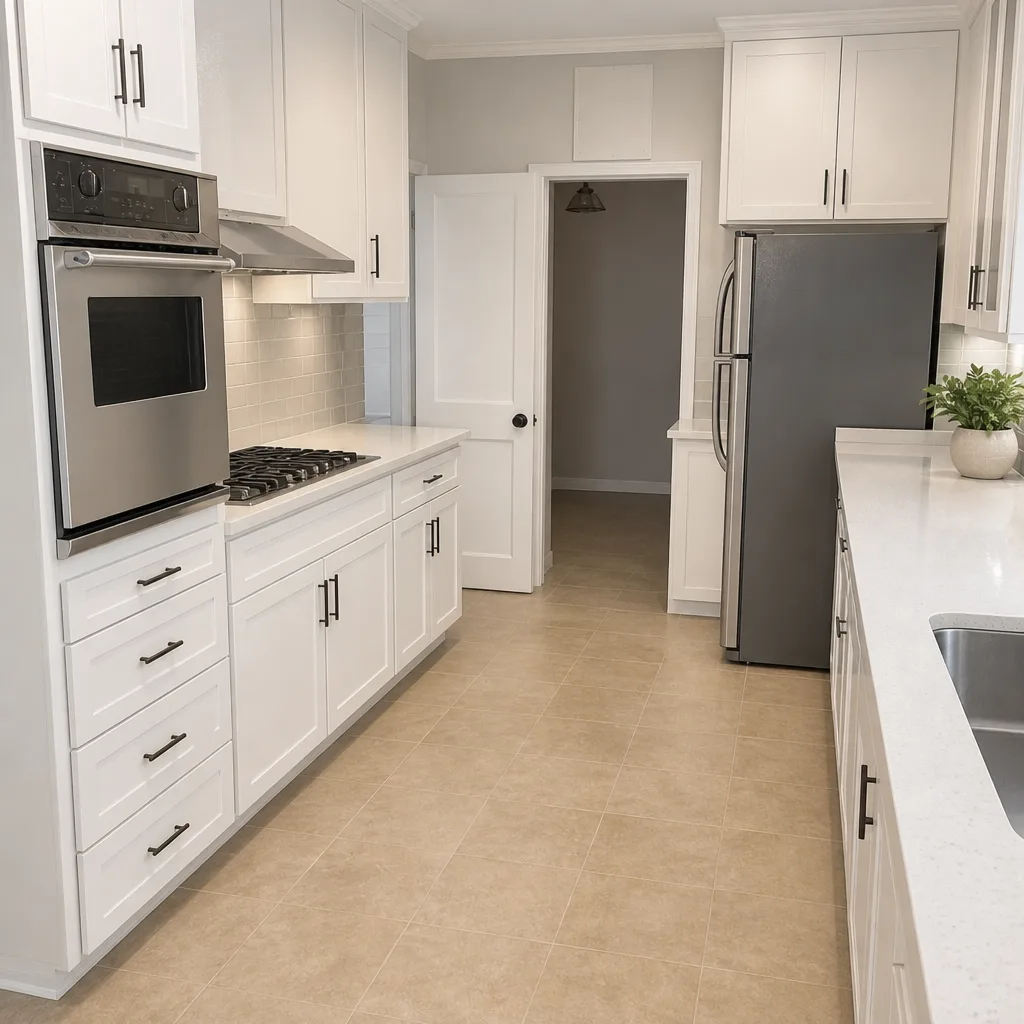 After
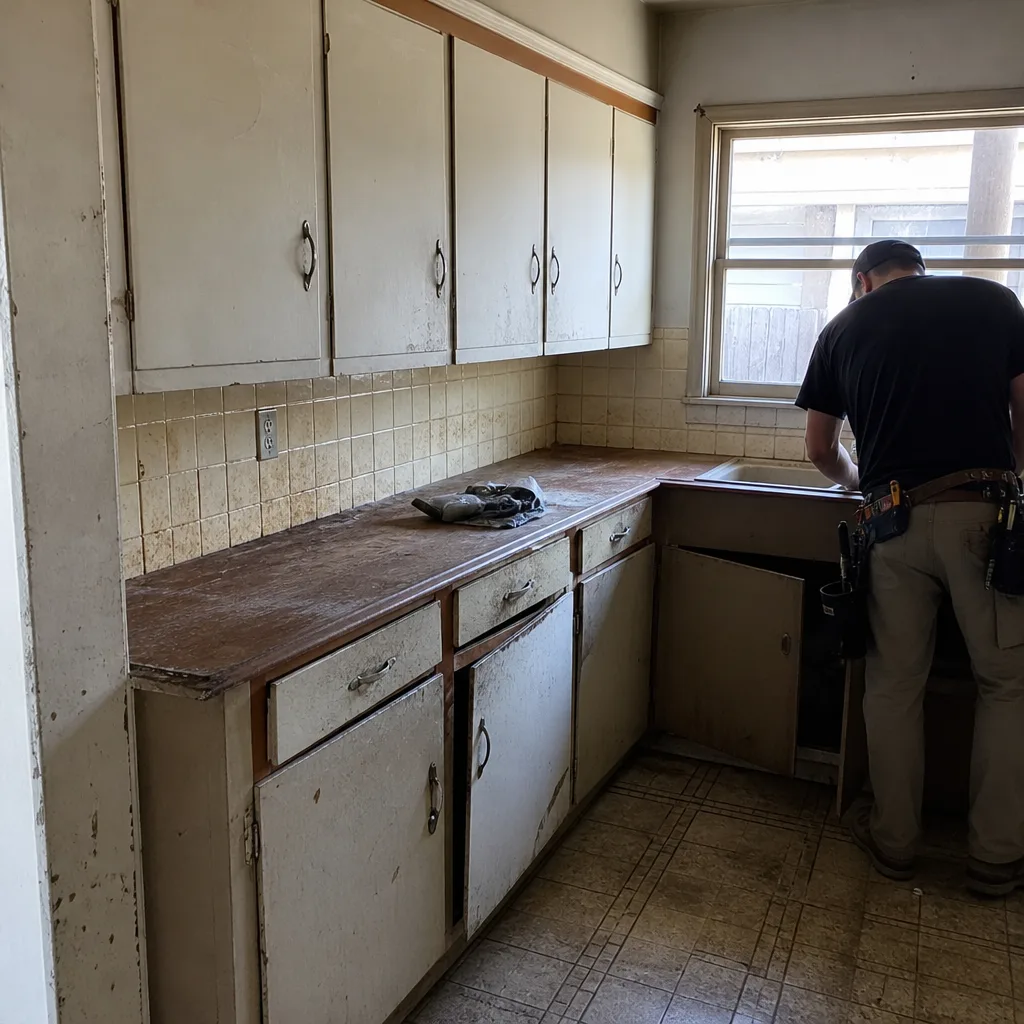 Before
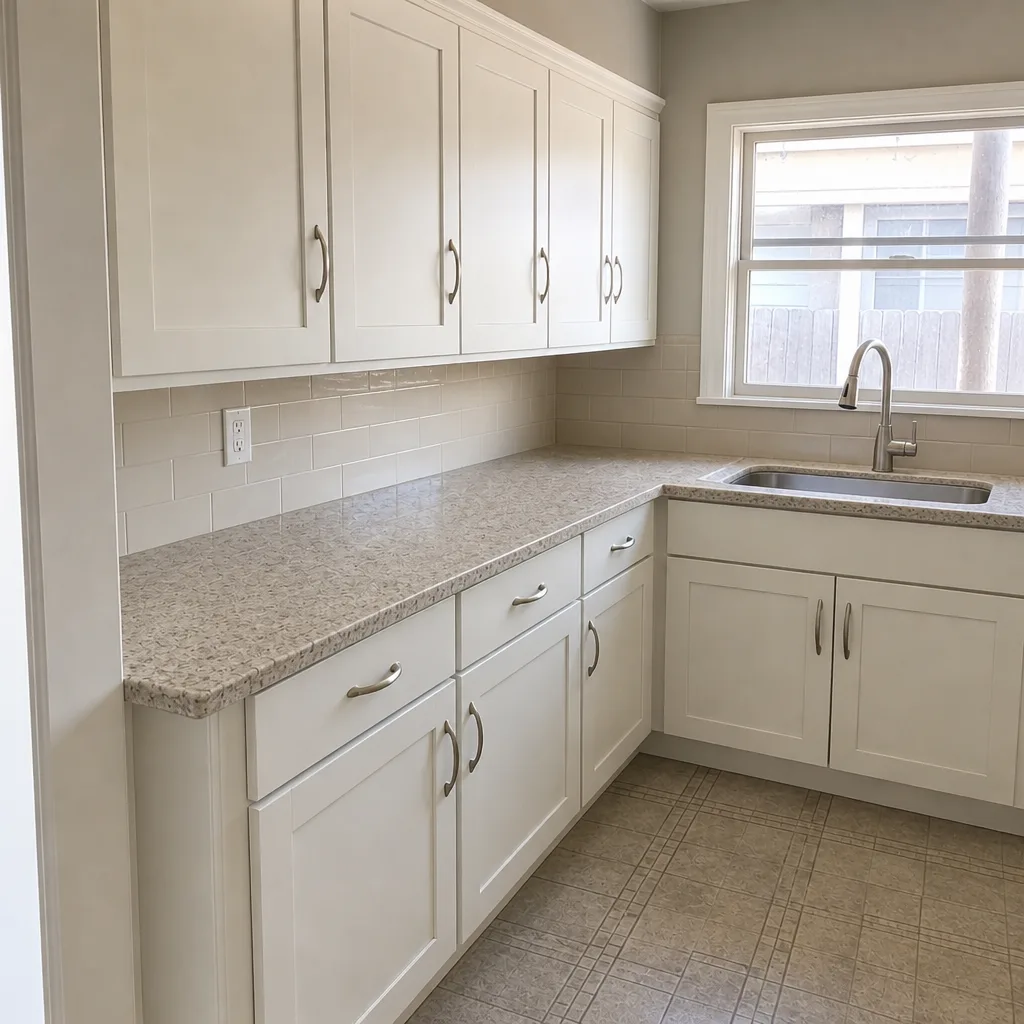 After
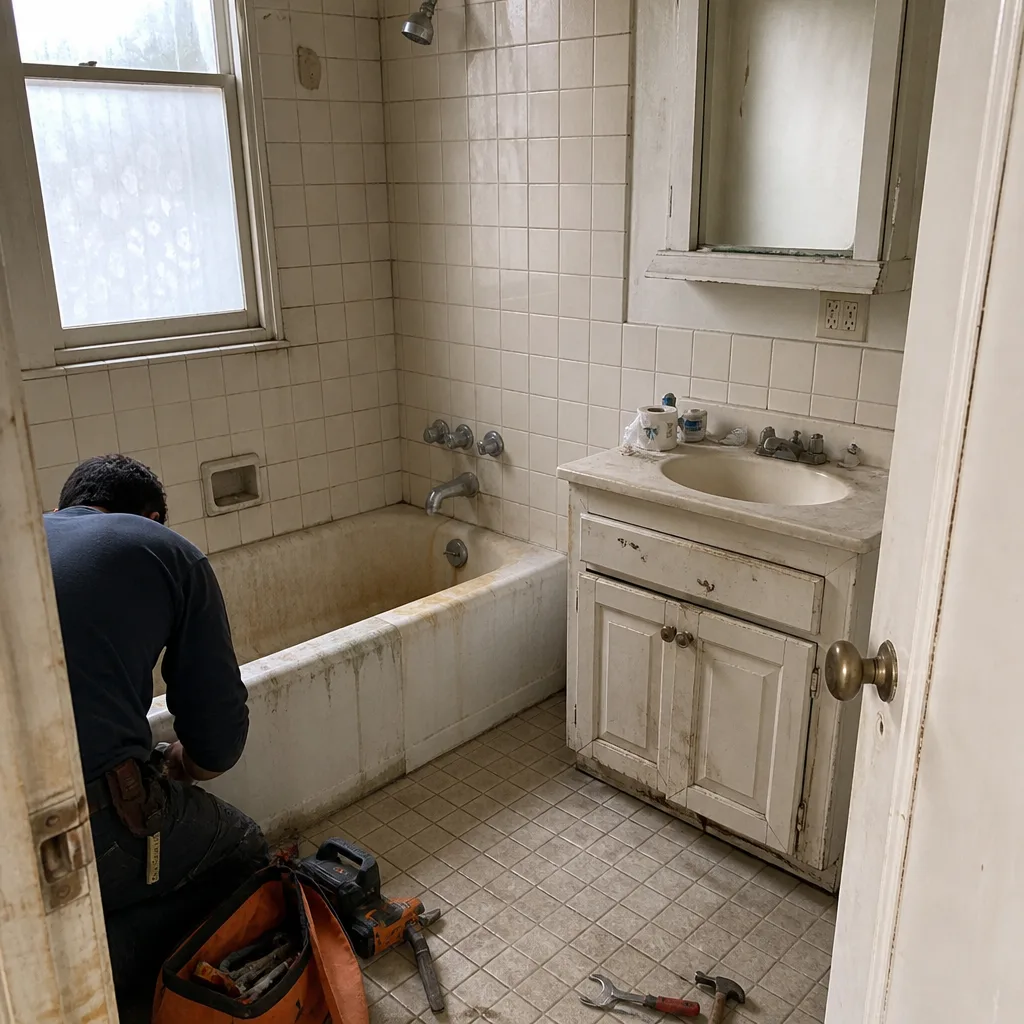 Before
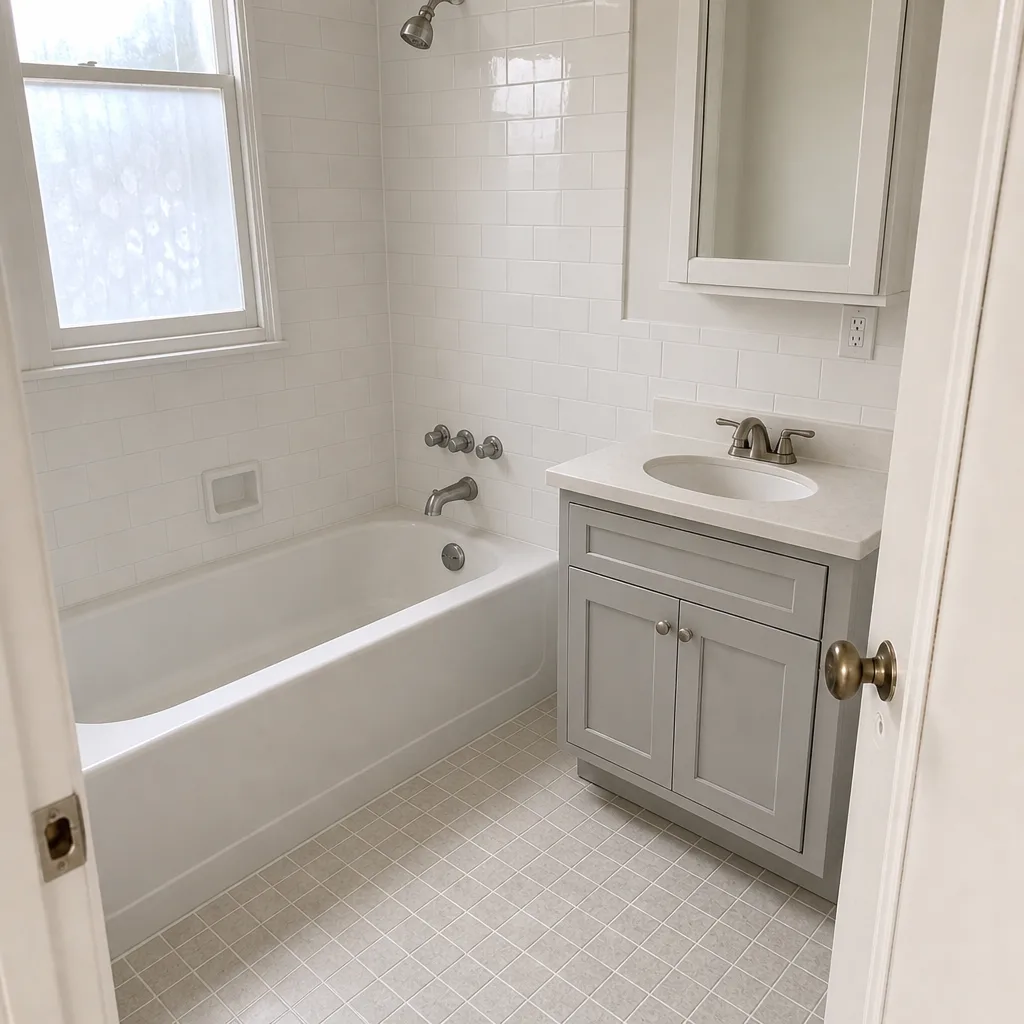 After
When to Call a Professional
Call a professional when the project touches one of five zones: licensed trades (electrical, plumbing), structural changes, any work inside the Hillside Fire Zone, exterior work in a historic district, or anything that requires a permit. Also call when the scope isn’t entirely clear, when hidden conditions are likely (older Berkeley homes often hide surprises behind tile and drywall), or when you’re planning to sell within a few years and want a clean disclosure packet.
Construction Berkeley offers free estimates in Berkeley. Our technicians have up to 9 years of experience across kitchen, bath, additions, roofing, windows and doors, fencing, and hardscape. Call (844) 797-8850 to schedule your free estimate. We answer 24/7 and dispatch from 7am to 7pm, Sunday through Friday. The written estimate is line-itemed, and the estimate sets the price.
Frequently Asked Questions
Yes, in many cases. California law allows homeowners to act as owner-builders on properties they occupy, which means you can pull permits and perform or supervise work in trade categories that don’t require a state license. The catch is that the permit and the liability both sit with you, so the legal permission doesn’t equal a safe or resellable outcome for anything beyond cosmetic scope. For the categories where the law requires licensed trades or inspections, the owner-builder route doesn’t override those requirements. Call (844) 797-8850 if you’re not sure which side of the line your project falls on, and we’ll walk through it before you commit.
The work must be disclosed, and disclosure doesn’t end the matter. Buyers and their lenders will evaluate unpermitted work during due diligence, and some lenders require legalization or removal before funding. Unpermitted habitable space often doesn’t count toward appraised value the same way permitted space does, which can leave a gap between the asking price and what a buyer will finance. Work in the Hillside Fire Zone can trigger a corrective construction requirement, which is the most expensive outcome. Call (844) 797-8850 for a free estimate if you want to understand the legalization path before you list.
Interior painting, tile replacement in kind, non-structural demolition (after confirming walls aren’t load-bearing), cosmetic hardware and fixture swaps on existing circuits, and standard yard work. These categories don’t require permits, don’t trigger fire-zone compliance, and don’t affect disclosure at resale. The moment a project moves into utilities, structure, exterior envelope, or changes the footprint, it stops being a reasonable DIY candidate. Call (844) 797-8850 to schedule a free estimate if you’re unsure where the line is for your specific scope.
If the project moves plumbing, electrical, or structural elements, yes. Permits are typically required for any work that alters utilities, changes the footprint, or touches structure or the building envelope. Cosmetic-only updates (painting, tile in kind, cabinet refacing without moved plumbing) often clear the threshold, but the scope matters more than the room. The permit sequence for a Berkeley kitchen or bath usually includes trade-specific inspections at defined milestones. Call (844) 797-8850 for a free estimate that includes a permit-path review.
Correction work is priced higher than the same scope installed fresh, because the contractor has to undo, inspect, and redo work they didn’t install and can’t fully see underneath. The written estimate from a licensed contractor sets the final price. The realistic comparison is the original DIY savings versus the correction cost multiplied by the probability of needing it, and in our experience that math only favors DIY on cosmetic scopes. Call (844) 797-8850 for a free estimate, and we’ll scope the correction work line by line.
Yes, substantially. Fire-zone properties have material and assembly requirements that go beyond base code, and the correct product for your zone has to match the compliance path the city requires. Getting that wrong means redoing the work after inspection, or worse, facing a corrective construction order at resale. Manufacturers like Atlas, Tamko, and Boral make compliant assemblies, but matching the right one to your property is a professional scoping task. Call (844) 797-8850 to schedule a free estimate with a team that works in the zone.
The Bottom Line
The DIY versus professional decision in Berkeley isn’t primarily a test of your hands. It’s a question of where the project sits on Berkeley’s map, how far it pushes past permit thresholds, and what it will look like in a future disclosure packet. Cosmetic work is a reasonable DIY call. Anything involving electrical, plumbing, grading, structure, additions, or the fire zone is where professional construction pays for itself through reduced correction costs and clean resale. Our technicians have up to 9 years of experience, and single-source accountability across trades is the practical alternative to coordinating five specialists yourself. Get the estimate before the first nail goes in.
Call (844) 797-8850 to schedule your free estimate. We answer 24/7. Fast dispatch from 7am to 7pm, Sunday through Friday. The estimate is free, it’s line-itemed, and it sets the price, with no change orders after the scope is signed.
Written by the team at Construction Berkeley.