Last updated November 18, 2026



Free written scope consultation - allowances, timeline, and change-order rules on paper before a single trade is scheduled
The Complete Driveway & Pavers Guide for Berkeley Homeowners
Most driveway paver guides are written for Phoenix or Florida, where the ground is flat and the soil drains. Berkeley isn’t that place. The same hillside terrain that makes this city beautiful is also what makes a driveway here an engineering problem before it’s a design choice: expansive clay soils that move with the seasons, seismic activity that stresses rigid surfaces, and stormwater rules that put real limits on how much impervious surface a property can carry. At least three of the most popular paver systems sold nationally are a poor fit for a Berkeley driveway. This guide walks through every variable worth weighing before you pick a paver, from base depth to slope tolerances to which permit your project actually triggers.
Quick Answer
For a Berkeley driveway, permeable interlocking concrete pavers or properly detailed natural stone over an engineered, depth-adjusted base are the reliable choices, because standard four-inch gravel bases underperform in the area’s clay soils and the city’s stormwater rules reward permeability. Budget roughly $18 to $35 per square foot installed for a typical residential driveway, with hillside slope, drainage corrections, and permit requirements pushing the figure higher. The written, line-item estimate always sets the final price.
Styles & brands we work with
- Kitchen remodeling
- Bathroom remodeling
- Home additions & ADU
- Roofing
- Windows & doors
- Driveway & pavers
- Fence
Table of Contents
- Why Berkeley Is a Different Paver Problem
- Clay Soil and Base Depth: Why Four Inches Fails Here
- Which Paver Materials Meet Berkeley’s Stormwater Rules
- Hills Driveway Design: Slope, Texture, and Drainage
- Permits: Building Permit vs. Encroachment Permit
- What Driveway Pavers Cost in Berkeley
- Long-Term Maintenance Cost by Paver Type
- How a Berkeley Paver Installation Actually Runs
Why Berkeley Is a Different Paver Problem
A paver driveway is only as good as the base beneath it, and in Berkeley the base is where most of the risk lives. The city sits across a range of soil conditions, with heavy clay common through the flats and the lower hills, and that clay expands and contracts as moisture levels change through the wet and dry seasons. A paver system installed on a base sized for a sandy or gravelly subgrade will heave, settle, and shift within a few years.
Add the hills. A large share of Berkeley homes sit on graded lots where the driveway is cut into a slope, sometimes crossing a swale or draining toward a garage door. Water that sheets off a paved surface has to go somewhere, and the stormwater rules that govern new impervious coverage shape how much of it you can send to the street.
Then there’s the seismic piece. Pavers are more forgiving than poured concrete here because the joints between units allow small movement without cracking a monolithic slab. But that flexibility only works if the edge restraints and base are built correctly. A paver driveway in Berkeley is a hardscape project dressed as a landscaping decision.
- Clay-heavy subgrade that moves with seasonal moisture
- Hillside lots with cross-slope and concentrated runoff
- Municipal limits on impervious surface and stormwater discharge
- Seismic movement that rewards flexible, jointed surfaces
Clay Soil and Base Depth: Why Four Inches Fails Here
Four inches of compacted gravel is the standard base depth in most national paver guides, and in Berkeley clay it’s not enough. Expansive clay needs a deeper, better-graded base to isolate the pavers from subgrade movement, and the sub-base should be selected for drainage rather than whatever aggregate is cheapest.
Here’s how a base for a Berkeley clay driveway should be built:
- Excavate to a depth that accounts for the paver thickness, the bedding sand, and an engineered base that runs deeper than the four-inch standard when the subgrade is expansive clay.
- Grade the exposed subgrade to move water away from the house and garage before anything else goes down.
- Lay a geotextile separator fabric so clay fines don’t migrate up into the base over time.
- Install the aggregate base in lifts and compact each lift rather than dumping the full depth at once.
- Use a crushed, well-graded aggregate for the base, and open-graded stone where drainage matters, sourced from manufacturers like Quikrete or Sakrete among the options a contractor may specify.
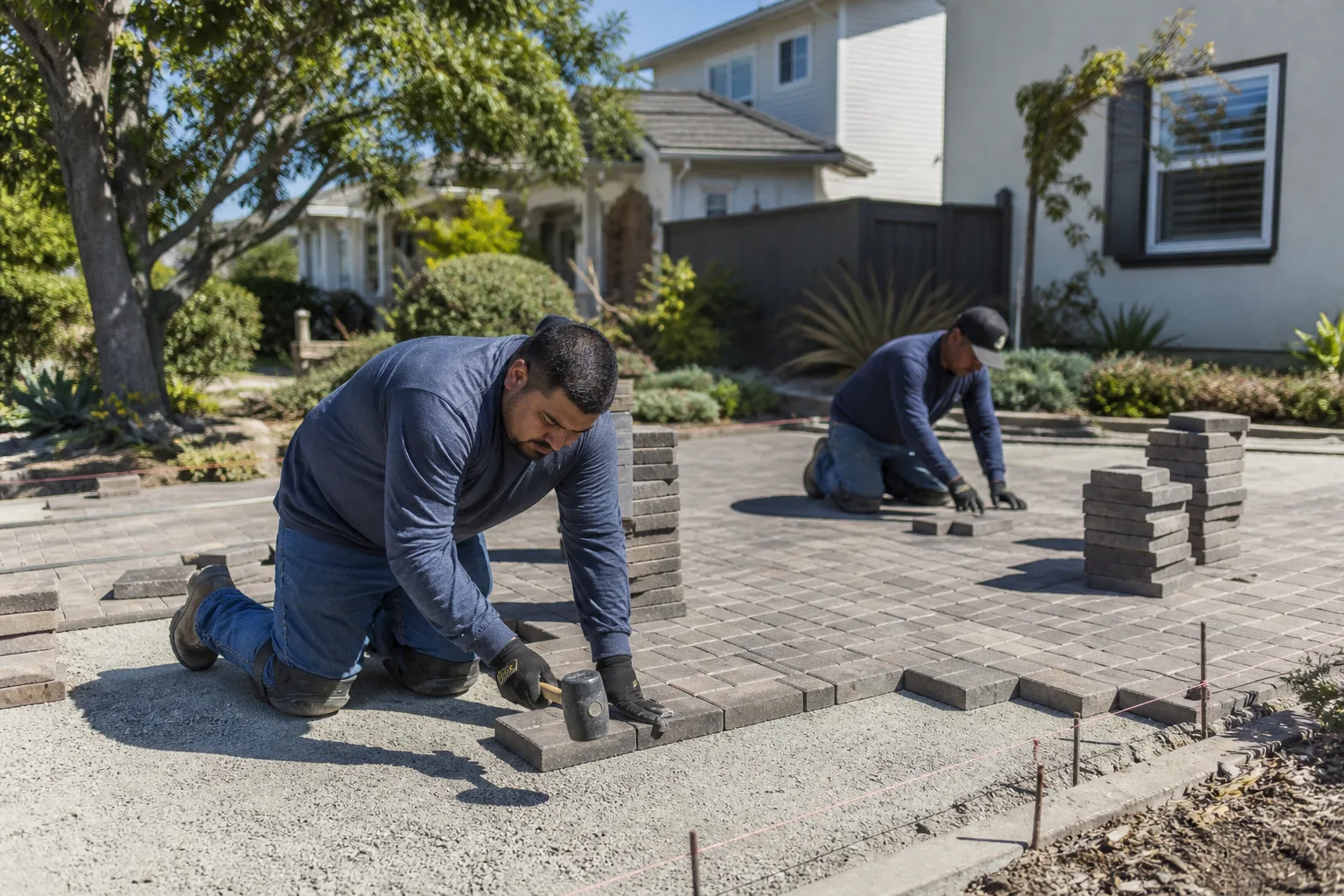
- Compact a bedding layer, set the pavers, then compact again and lock the joints with joint sand.
- Set edge restraints in a concrete footing, since the restraint is what keeps the whole surface from spreading.
In our experience, the base is where a Berkeley driveway either holds for years or starts walking apart. It’s also the part you can’t see once the work is done, which is why the line-item estimate should spell out base depth and materials. We install hardscape as part of the broader driveway & pavers service, and the base specification is the first thing we settle.
Which Paver Materials Meet Berkeley’s Stormwater Rules
Concrete pavers, natural stone, and permeable interlocking concrete pavers each behave differently under Berkeley’s stormwater requirements, and permeability is the variable that decides which ones clear the bar for a driveway. Where a property’s impervious coverage is limited by ordinance, a permeable surface can keep the project within the rules without adding a detention system.
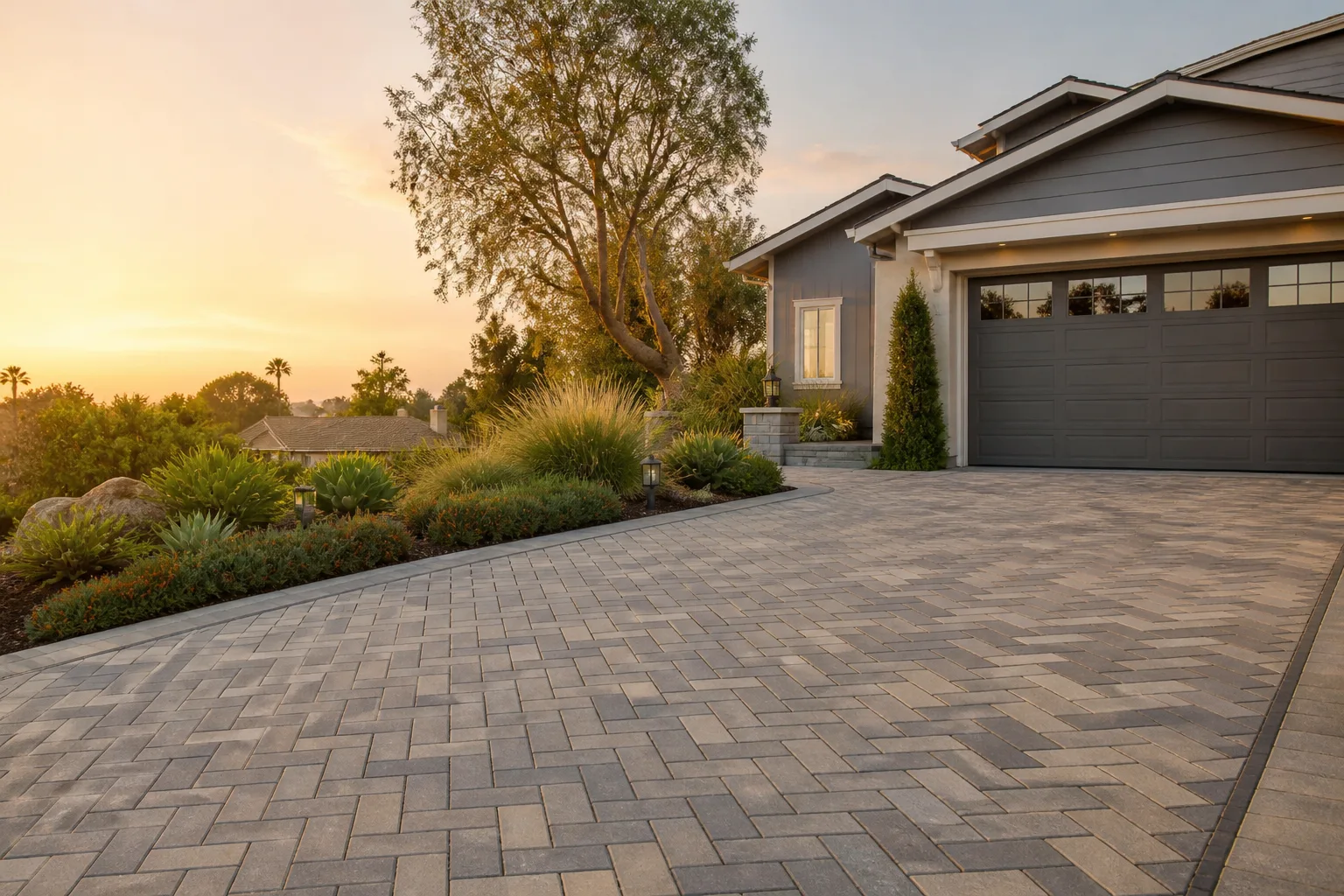
- Permeable interlocking concrete pavers: The strongest fit where runoff is a concern. The joints and open-graded base let water infiltrate rather than sheet off, which supports the city’s stormwater goals and reduces the demands on a drainage channel.
- Concrete pavers with a sealed surface: Durable and available in a wide range of formats, but they count as an impervious surface. They work when the site and ordinance allow, and they need a drainage plan to match.
- Natural stone: Excellent for appearance and longevity, and can be laid for permeability depending on joint width and bedding. Stone is heavier and costlier to install but holds up well in Berkeley’s moisture-heavy winters.
Permeable systems are a whole-assembly decision: the pavers, the open-graded base, and the fabric all work together. Confirming which assembly satisfies the city’s stormwater requirements before you buy material is the step most homeowners skip. Ask your designer or contractor to specify the assembly, not just the paver.
Hills Driveway Design: Slope, Texture, and Drainage
On a Berkeley hills lot, a driveway’s slope does more to determine its usefulness than the paver’s color ever will. Two things matter: how steep the surface is, and where water is sent once it hits the pavement.
Surface texture plays a real role on a slope. A smooth paver on a steep grade loses grip in wet weather, so a textured finish is the better specification for inclined driveways. Cross-slope tolerances matter too: a driveway should drain to one side or the other, never trap water against a garage or a retaining wall.
Drainage channel placement is where hillside driveways earn their keep. A channel at the bottom of the slope, or a series of small corrections, keeps runoff from pooling at the garage door and from overwhelming the low side of the lot. On a hillside, this isn’t optional – it’s a year-round safety and property issue.
Grade and access also interact with the rest of the property. If you’re planning a secondary unit out back, the driveway grade and turnaround affect access, and the larger project can be coordinated with home additions & ADU work so the hardscape isn’t done twice. For most slope work, the practical checklist is:
- Choose a textured surface for any driveway on a noticeable incline.
- Grade the driveway to drain away from the garage and the house.
- Set drainage channels at the low points and where water concentrates.
- Keep cross-slope within tolerances so the surface drains without channelizing.
- Detail the edge restraints so the surface stays put on the slope.
Permits: Building Permit vs. Encroachment Permit
A simple paver replacement over an existing driveway footprint often needs no building permit. A driveway that changes the footprint, alters grading, or touches the public right-of-way may trigger a permit, and it’s the city that decides, not the contractor’s preference.
When a project involves the strip between your property and the street – the apron, curb cut, or sidewalk crossing – it becomes a matter of the public right-of-way, and that’s a separate review through Berkeley Public Works in the form of an encroachment permit. A driveway that stays entirely on private property and matches the existing grade usually stays on the simpler path. A driveway that widens, changes slope, or moves a curb cut is the kind of project that gets the closer look.
The practical rule: ask the city’s building department and public works division what your specific project needs before work starts, and don’t rely on what a neighbor did a decade ago. Permit requirements shift. Pulling permits and passing inspections is part of how we approach hardscape work, and it’s worth confirming early because the answer affects the schedule.
What Driveway Pavers Cost in Berkeley
Driveway paver projects in Berkeley typically run from $18 to $35 per square foot installed for a standard residential driveway, with hillside grading, drainage corrections, and permitting adding to that range. These are estimates; the written, line-item estimate sets the final price, and it should list base depth, materials, drainage, and permits separately.
What moves the number:
- Base and excavation: Expansive clay needs deeper excavation and an engineered base, which is more material and more labor than a shallow national-standard install.
- Material choice: Concrete pavers are typically the most economical, natural stone the most expensive.
- Slope and drainage: Hillside lots often need retaining, drainage channels, or regrading, all of which add scope.
- Permits: An encroachment permit or building permit adds review and inspection steps.
- Access: Tight Berkeley lots and steep approaches can slow the work.
| Item | Typical range |
|---|---|
| Concrete paver driveway (standard) | $18 – $26 |
| Permeable interlocking concrete pavers | $22 – $32 |
| Natural stone driveway | $28 – $35 |
| Hillside grading, drainage, or retaining (adds to base) | Varies by scope – itemized in estimate |
Call (844) 797-8850 to schedule your free estimate. We answer 24/7. Fast dispatch from 7am to 7pm, Sunday through Friday.
Long-Term Maintenance Cost by Paver Type
Berkeley winters aren’t freezing, so you won’t be dealing with frost heave, but they are wet, and moisture is what drives paver maintenance here. The good news: no freeze-thaw cycling means the surface itself stays intact longer than in colder climates. The catch: persistent damp keeps joint sand washing out, encourages weeds in the joints, and lets moss take hold on shaded surfaces, especially on the north side of a house or under heavy tree canopy.
- Concrete pavers with joint sand: The lowest routine cost. Replenish joint sand periodically after heavy rain and plan on occasional re-sanding. Weeds and moss are the main nuisance.
- Permeable pavers: Similar routine care, with the added step of keeping the open joints and base free of fines so infiltration keeps working. A blocked permeable system defeats its purpose.
- Natural stone: Extremely durable and rarely needs sand, but heavier stone can shift if the base moves, and re-setting a stone unit costs more in labor when it happens.
The moisture-heavy seasons make drainage the deciding factor in maintenance cost. A driveway that drains well needs less care than one that holds water. We source pavers from established hardscape brands whose products carry their own manufacturer warranties, and we map maintenance expectations into the estimate so there are no surprises.
How a Berkeley Paver Installation Actually Runs
Most Berkeley paver driveways follow a predictable sequence, and knowing it helps you plan around the disruption a driveway represents. It usually runs in this order:
- Site assessment and permit check: Confirm the soil, grade, existing drainage, and whether the project triggers a building or encroachment permit.
- Design and material selection: Settle the paver type, color, layout, and whether the assembly needs to be permeable to meet stormwater requirements.
- Demolition and excavation: Remove the existing surface and excavate to the depth the base requires.
- Subgrade prep and drainage: Grade, lay fabric, and set any drainage channels or corrections.
- Base install and compaction: Install aggregate in lifts, compact each one, and check the grade.
- Bedding, pavers, and restraints: Set the bedding layer, lay the pavers, install edge restraints, compact, and lock in joint sand.
- Inspection and cleanup: Pass any required inspections and clear the site.
Expect the driveway to be out of service while the work runs. It’s worth planning your parking in advance.
Common Mistakes to Avoid
- Using the national four-inch base standard. In Berkeley’s expansive clay, four inches of gravel lets the subgrade move the surface. Ask for the base depth the site actually needs.
- Skipping the geotextile separator. Without fabric, clay fines migrate up into the base over the wet months and the surface loses support.
- Choosing a smooth paver for a hillside driveway. A steep Berkeley slope needs a textured surface for grip in the rain.
- Ignoring stormwater rules until after material is bought. Permeability affects which pavers you can use. Confirm the assembly meets the city’s requirements before you order.
- Assuming the city permit question is settled by what a neighbor did. Whether a project triggers a building or encroachment permit depends on the specific footprint and grading, so confirm through the city.
- Letting water drain toward the garage. Cross-slope and drainage channel placement determine where runoff goes. A driveway that pools at the door is a problem every wet season.
- Building hardscape before an ADU or addition that affects access. Grade and turnaround should account for the whole project. Coordinate the driveway with larger work so it isn’t redone. Our home additions & ADU capability lets us plan that together.
See the difference
 Before
 After
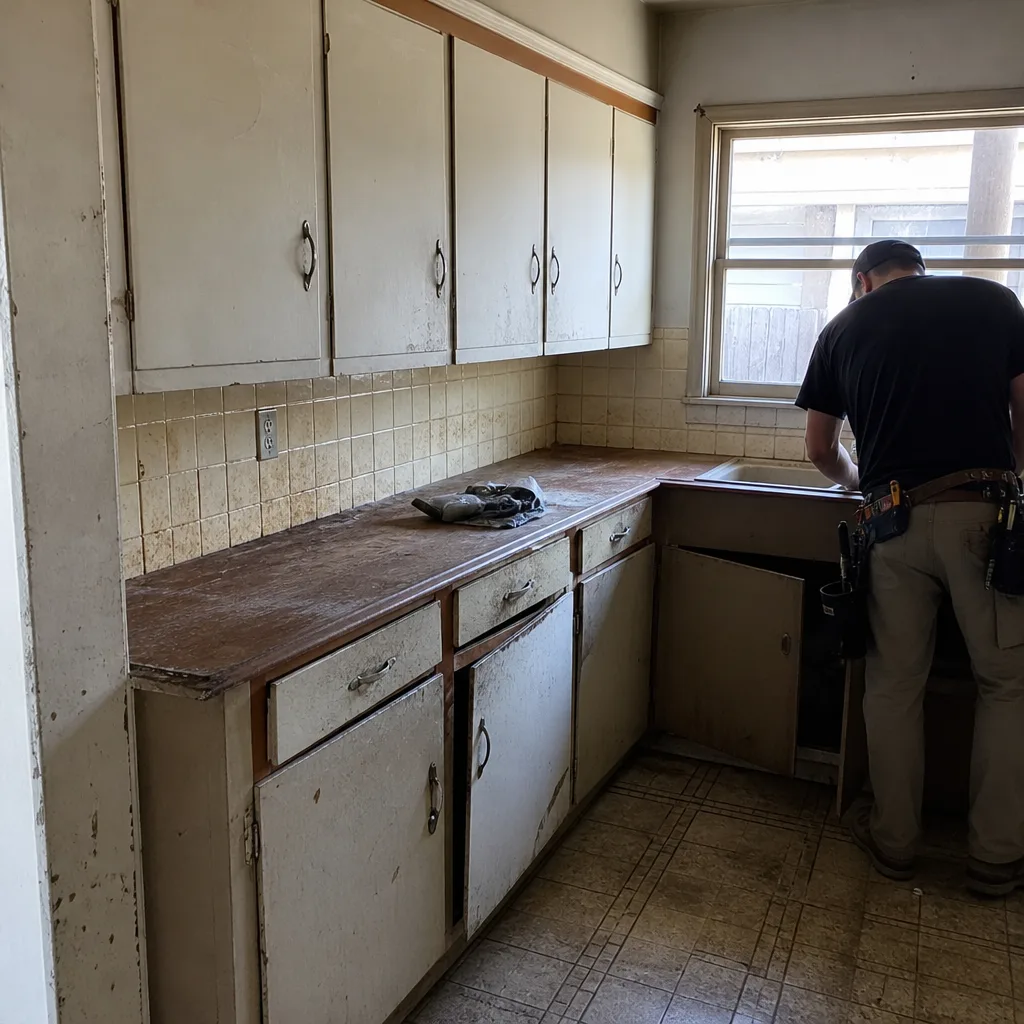 Before
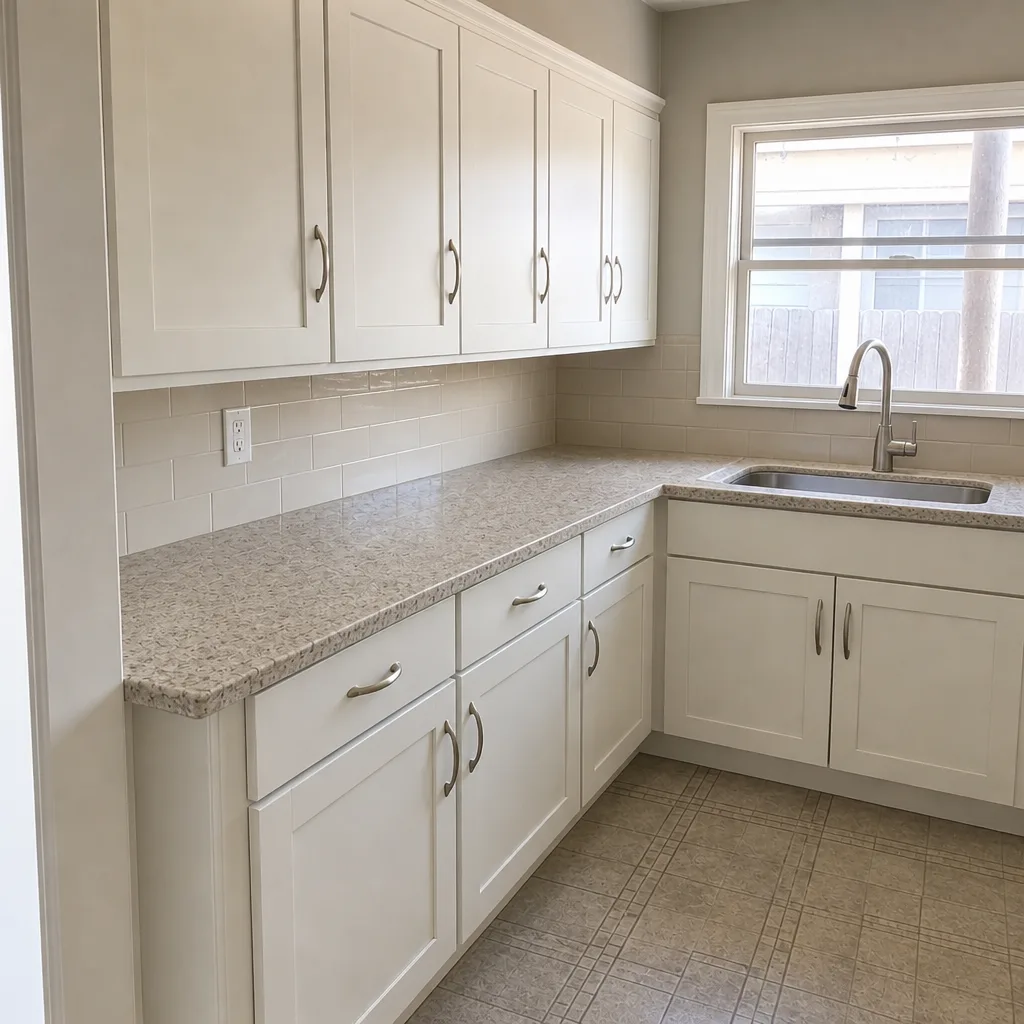 After
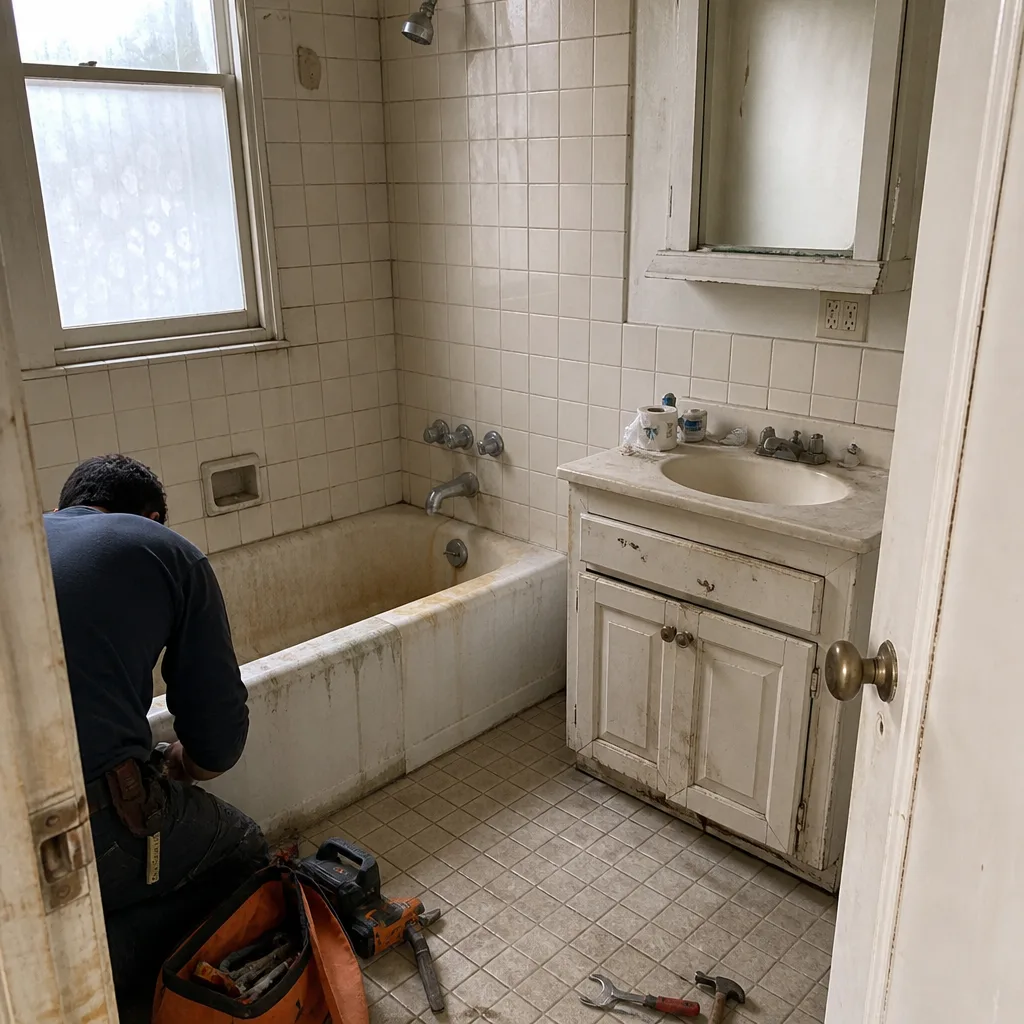 Before
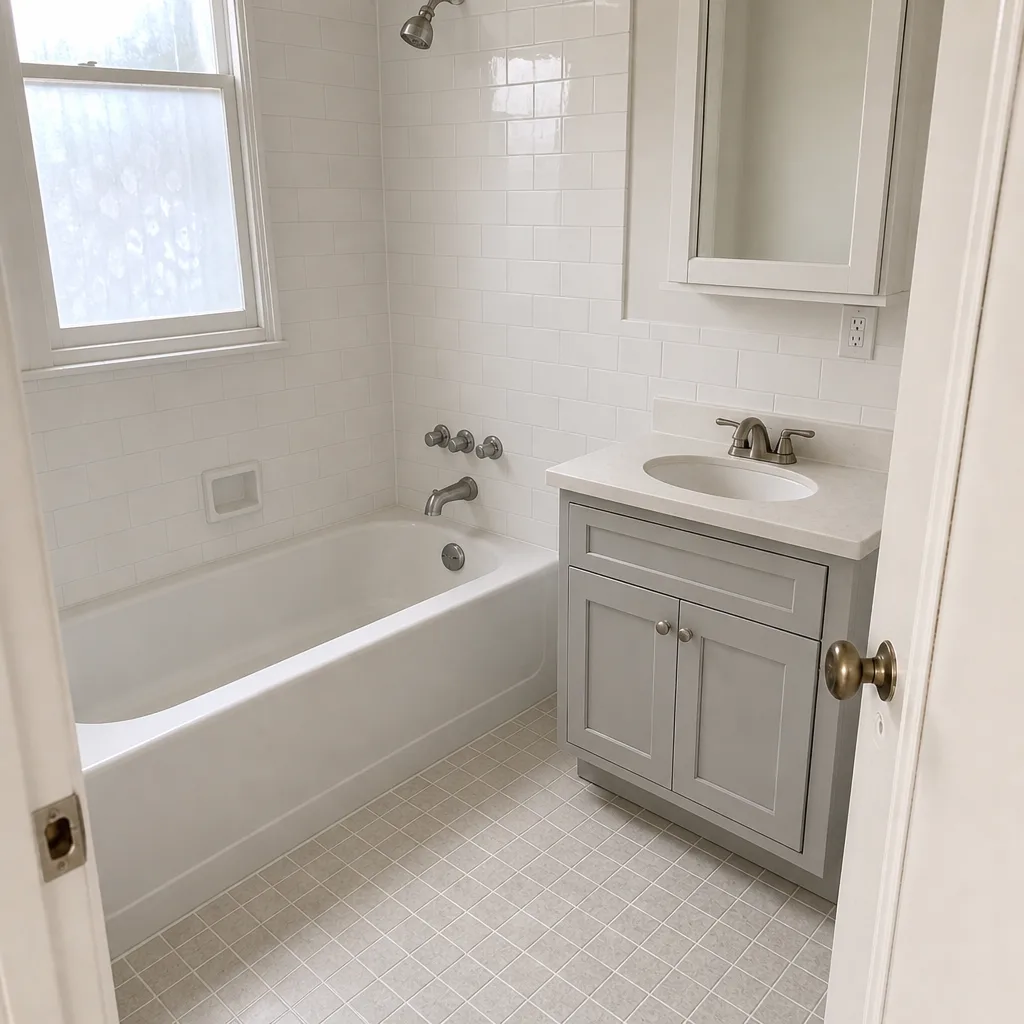 After
When to Call a Professional
Call a professional before you buy a single paver if your driveway sits on a slope, crosses a swale, drains toward the garage, or may need a permit. Those conditions change the base design, the drainage detail, and the assembly you should choose, and no amount of material research makes up for a base built to the wrong depth. A paver surface that has started heaving, settling, or spreading at the edges is also a base problem, not a cosmetic one, and it’s worth having it evaluated rather than patched. If your project is part of a larger plan – a hillside entry, a new unit out back, or a full exterior upgrade – it pays to have it assessed as one job. Construction Berkeley offers free estimates in Berkeley; call (844) 797-8850 to schedule yours. We answer 24/7. Fast dispatch from 7am to 7pm, Sunday through Friday.
Frequently Asked Questions
Most Berkeley paver driveways run $18 to $35 per square foot installed, depending on the material, slope, drainage, and permitting. Hillside lots and projects that need retaining or grading fall toward the top of the range, and the written, line-item estimate sets the final price. Call (844) 797-8850 for an exact quote – estimates are free.
Because much of the city sits on expansive clay that moves with seasonal moisture, and a shallow base doesn’t isolate the pavers from that movement. A deeper, well-graded base with a geotextile separator keeps the surface stable. The right depth depends on the specific site, so it belongs in the estimate.
Often not for a like-for-like replacement over the existing footprint, but if the project changes the footprint, grading, or touches the public right-of-way, it may need a building permit or an encroachment permit through Public Works. Confirm with the city before work starts. Call (844) 797-8850 if you’d like help working through what your project needs.
They aren’t always required, but the city’s stormwater rules limit impervious coverage, and permeable pavers help a project stay within them. Where runoff is a concern, permeable interlocking concrete pavers are the strongest fit. The right call depends on your lot and the ordinance, which is why the assembly gets specified up front.
Concrete pavers and natural stone both last a long time in Berkeley because the mild climate avoids freeze-thaw damage. The real variable is moisture management through good drainage and joint maintenance. Permeable systems need their joints kept open to keep working.
Most residential driveways take several working days to a couple of weeks, with the timeline driven by excavation, base depth, drainage work, and any inspections. A site assessment and a written schedule come first. Call (844) 797-8850 for a free estimate.
The Bottom Line
A Berkeley paver driveway is an engineering decision first and a design decision second. The expansive clay that underlies much of the city demands a deeper, better-drained base than the national standard, the hills demand textured surfaces and deliberate drainage, and the city’s stormwater rules favor permeable assemblies. Add the permit question – building permit or encroachment permit – and the project has real variables to settle before material is ordered. Get the base and drainage right, choose the paver to match, and the surface holds for years. Whether you’re refreshing a flat driveway or tackling a hillside, the next step is a free, line-item estimate. Call (844) 797-8850. We answer 24/7. Fast dispatch from 7am to 7pm, Sunday through Friday.
If your project runs beyond the driveway, the same contractor relationship covers the full envelope of the home. You can read more about Construction Berkeley and the scope we bring to exterior and interior work, including fence installation that pairs naturally with a new hardscape and drainage plan. Our technicians have up to 9 years of experience, and we work with over 50 manufacturer brands across every trade we touch.
Written by the team at Construction Berkeley.